

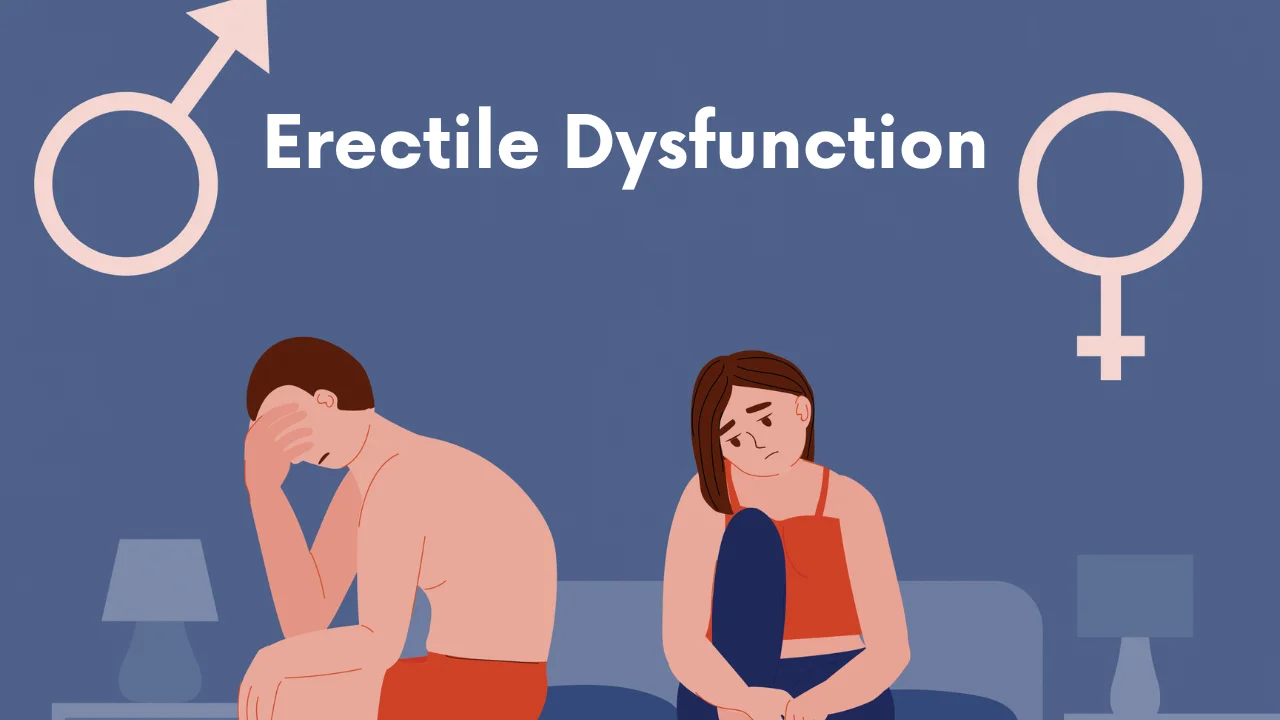
Treating Erectile Dysfunction at 50+: What Actually Works in 2026 (Complete Guide)
Updated June 2026. Evidence-based guide for men over 50 on treating erectile dysfunction — clinical realities of ED in middle age, comparison of PDE5 inhibitors (Sildenafil, Vardenafil, Avanafil), medication-free options including vacuum devices, lifestyle interventions, and how to access treatment discreetly through online consultation.
Let’s start with a fact that should reduce shame and increase action: over 50% of men aged 50+ experience erectile dysfunction to some degree, with the figure rising to 70% by age 70 according to WHO sexual health data. Across Europe, that’s tens of millions of men — yet only a fraction seek treatment, despite ED being one of the most effectively treatable medical conditions in modern medicine.
The pattern is consistent: men experience the first significant ED episodes in their 40s or 50s, attribute them to “normal aging,” wait years before seeking help, and finally try one solution — often an embarrassing GP appointment that produces a generic Sildenafil prescription with no follow-up. Some find this works. Many don’t. Many give up.
This guide takes a different approach. It explains exactly what’s happening physiologically in your 50s and beyond, what treatments actually work for older men (which is different from what works for 30-year-olds), how to navigate the practical realities of getting effective treatment, and how to make informed choices between options like Sildenafil, Vardenafil, Spedra (Avanafil), and the VaxAid pump kit.
What’s Actually Happening: ED Physiology After 50
Erectile function depends on a precise sequence of events: sexual stimulation triggers nerve signals that release nitric oxide in the penis, which activates an enzyme (guanylate cyclase) that produces cyclic GMP, which relaxes smooth muscle and dilates blood vessels, increasing blood flow into the erectile tissue (corpora cavernosa) and producing an erection. The PDE5 enzyme breaks down cyclic GMP, ending the erection.
Several age-related changes interfere with this sequence in men over 50:
1. Endothelial Dysfunction
The thin layer of cells lining blood vessels (endothelium) produces nitric oxide. Aging, smoking, hypertension, diabetes, and atherosclerosis all damage endothelial function — meaning less nitric oxide production. This is why ED is often called a “warning sign” for cardiovascular disease. The same processes damaging penile blood vessels are damaging cardiac blood vessels.
2. Reduced Testosterone
Testosterone levels decline approximately 1–2% per year after age 30. By age 60, many men have testosterone levels considered clinically low. Reduced testosterone affects libido (interest in sex), the strength of nerve signaling, and the responsiveness of erectile tissue.
3. Increased PDE5 Activity
The PDE5 enzyme that ends erections becomes more active relative to nitric oxide production with age. This is why PDE5 inhibitor medications (Sildenafil, Vardenafil, Avanafil) become more clinically important after 50 — they directly counter this age-related shift.
4. Smooth Muscle Changes
The smooth muscle in the corpora cavernosa undergoes age-related changes including increased collagen content (making tissue less elastic), reduced ability to fully relax, and decreased nitric oxide responsiveness.
5. Nerve Changes
Sensory and motor nerves to the genital area become slightly less efficient with age. Diabetes accelerates this through diabetic neuropathy. Prostate surgery or radiation can damage nerves directly.
6. Cardiovascular Comorbidities
By age 50+, many men have hypertension, dyslipidaemia, type 2 diabetes, or established cardiovascular disease — all of which impair erectile function independent of aging itself. Treatment of these underlying conditions is critical alongside any ED-specific therapy.
The First Important Question: Is This ED or Something Else?
Before treating ED at 50+, it’s worth distinguishing between several patterns:
Erectile Dysfunction (ED) Specifically
Persistent difficulty achieving or maintaining an erection adequate for sexual activity. The mechanical/vascular ability to get and keep an erection is the problem. Treatment targets the erectile mechanism (PDE5 inhibitors, vacuum devices, etc.).
Low Libido
Reduced interest in or desire for sex, regardless of erectile function. Often related to testosterone levels, depression, relationship issues, medications (especially SSRIs), or chronic illness. Treating ED won’t help if the underlying issue is low libido — the medication still requires sexual arousal to work.
Performance Anxiety
The cognitive/psychological component where worry about performance creates the physical impairment. Particularly common after one or two episodes of difficulty in midlife. Treatment combines medication (to restore reliable function) with addressing the anxiety pattern.
Premature Ejaculation
Completely different condition — ejaculation occurring before desired. ED medications don’t treat PE. Different treatments apply (SSRIs off-label, topical anaesthetics, behavioural techniques).
Combination Issues
Many men over 50 have combinations — low libido due to declining testosterone, ED due to vascular changes, performance anxiety from accumulating episodes. Effective treatment may require addressing multiple components.
PDE5 Inhibitors: The First-Line Treatment
For most men over 50 with primary ED, PDE5 inhibitor medications are the first-line treatment. Three are available in Europe in 2026:
Sildenafil (Generic Viagra)
Sildenafil was the first PDE5 inhibitor approved (1998) and remains the most-prescribed. Key characteristics:
- Onset: 30–60 minutes (faster on empty stomach)
- Duration: 4–5 hours
- Doses: 25 mg, 50 mg, 100 mg
- Typical starting dose for men 50+: 50 mg
- Food interaction: High-fat meals significantly delay onset
- Starting price (EU Slim Store): €9.99
Sildenafil works in approximately 70–80% of men with typical ED. For men over 50 with diabetic or post-surgical ED, response rates are slightly lower but still substantial. Older men often require the higher 100 mg dose for full effect.
Vardenafil (Generic Levitra)
Vardenafil is similar to Sildenafil but with slightly different binding characteristics. Key facts:
- Onset: 25–60 minutes
- Duration: 4–6 hours
- Doses: 5 mg, 10 mg, 20 mg
- Typical starting dose for men 50+: 10 mg
- Particularly useful when: Sildenafil hasn’t worked well
- Starting price (EU Slim Store): €29.99
Studies show approximately 30–40% of men who don’t respond to Sildenafil will respond to Vardenafil. The molecular differences mean a different binding profile that some erectile tissue responds to better.
Avanafil (Spedra)
Spedra (Avanafil) is the newest PDE5 inhibitor with distinctive advantages:
- Onset: 15–30 minutes (fastest of any PDE5 inhibitor)
- Duration: 4–6 hours
- Doses: 50 mg, 100 mg, 200 mg
- Typical starting dose for men 50+: 100 mg
- Food interaction: Less affected by food than Sildenafil
- Side effect profile: Slightly less vision impact, slightly less muscle/back pain
- Starting price (EU Slim Store): €24.99
The fast onset makes Avanafil particularly useful for men who want greater spontaneity — useful when sexual situations arise without long planning windows.
Which PDE5 Inhibitor for Men Over 50?
For most men over 50 starting PDE5 inhibitor treatment, here’s a practical recommendation framework:
Start with Sildenafil if:
- You want the most affordable option (€9.99 starting)
- You haven’t used PDE5 inhibitors before
- You can plan sexual activity 30–60 minutes in advance
- You eat your last meal at least 2 hours before planned activity
Try Vardenafil if:
- Sildenafil at maximum dose (100 mg) hasn’t worked well
- Sildenafil caused side effects you’d like to avoid
- You want a slightly longer duration of action
Choose Avanafil/Spedra if:
- You want the fastest onset for spontaneity
- You eat meals that interfere with Sildenafil absorption
- You experienced visual side effects on Sildenafil
- The faster onset is worth the higher cost (€24.99 vs €9.99)
Critical Safety Considerations for Men Over 50
Men over 50 are more likely to have medical conditions that affect PDE5 inhibitor safety. The most important considerations:
Absolute Contraindication: Nitrate Medications
This is the single most important safety point. PDE5 inhibitors must never be combined with nitrate medications used for chest pain — including glyceryl trinitrate (GTN, nitroglycerin), isosorbide mononitrate, isosorbide dinitrate, or amyl nitrite (“poppers”). The combination causes dangerous, potentially fatal drops in blood pressure.
If you take nitrates regularly or have them as “rescue” medication for angina, you cannot safely take PDE5 inhibitors. The VaxAid vacuum pump is an effective alternative.
Cardiovascular Disease
Men with known cardiovascular disease — recent heart attack, stroke, unstable angina, severe heart failure, or significant arrhythmias — need careful assessment before starting any ED medication. The PDE5 inhibitors themselves are generally safe for stable cardiovascular patients, but sexual activity itself imposes cardiovascular load that needs to be considered.
The basic guideline: if you can climb two flights of stairs without symptoms, you can generally engage in sexual activity safely. If stairs cause chest pain or significant breathlessness, you need cardiovascular assessment before starting ED treatment.
Alpha-Blockers for Blood Pressure or BPH
Many men over 50 take alpha-blockers — either for blood pressure or for benign prostatic hyperplasia (BPH, the prostate enlargement that causes urinary symptoms). Common examples include tamsulosin, doxazosin, terazosin.
PDE5 inhibitors can be combined with alpha-blockers, but careful dose timing prevents combined blood pressure effects. Typically, you’d take the alpha-blocker at a stable established dose for at least 1 week before starting PDE5 inhibitors, then take them at different times of day.
Recent Stroke or Heart Attack
PDE5 inhibitors are contraindicated for 6 months after a heart attack or stroke. After 6 months with stable recovery, they can typically be safely resumed.
Eye Conditions
Hereditary degenerative retinal disorders like retinitis pigmentosa contraindicate PDE5 inhibitors. Non-arteritic anterior ischaemic optic neuropathy (NAION) — a rare cause of sudden vision loss — has been associated with PDE5 inhibitor use, particularly in men with existing cardiovascular risk factors. If you have any vision concerns, ophthalmologist clearance before starting is wise.
Liver and Kidney Function
Severe liver impairment contraindicates PDE5 inhibitors. Mild-to-moderate liver impairment and chronic kidney disease typically require lower starting doses and slower escalation but don’t preclude use.
The Medication-Free Option: Vacuum Erection Devices
For men who cannot use PDE5 inhibitors (due to nitrate use, severe cardiovascular disease, or other contraindications), or who prefer a non-pharmaceutical approach, vacuum erection devices like the VaxAid Deluxe ED Pump Kit provide an established, NHS-approved alternative.
How Vacuum Pumps Work
The pump cylinder fits over the penis and creates a vacuum (low pressure) that draws blood into the erectile tissues. Once an erection forms, a constriction ring is slid from the cylinder onto the base of the penis to maintain the erection by limiting blood flow back out. The vacuum and ring combination has been used for ED treatment for over 30 years and is well-validated.
Advantages for Men Over 50
- No drug interactions — works regardless of other medications including nitrates
- No systemic side effects — only local mild effects (occasional bruising)
- Safe for severe cardiovascular disease when medication isn’t an option
- Reusable indefinitely — one-time purchase, no per-event cost
- Effective for most causes of ED including post-surgical ED, diabetic ED, severe vascular ED
- NHS-approved and NICE-recommended as first-line treatment in some clinical situations
Limitations
- Requires more preparation than taking a tablet
- Constriction ring must be removed within 30 minutes (preventing tissue damage)
- Erections may feel slightly cooler/less spontaneous than medication-induced
- Initial learning curve (2–4 weeks of practice for proficiency)
- Higher upfront cost (€179.99) vs per-event medication cost
Combination Therapy
For men with severe ED, combining vacuum devices with PDE5 inhibitors often produces better results than either alone. This combination approach is sometimes called “rescue therapy” — typically used when neither modality alone provides adequate function. Should always be coordinated with a doctor.
Lifestyle Interventions That Actually Work
Medication treats the symptoms; lifestyle interventions can improve the underlying causes. Evidence-based interventions for ED in men over 50:
1. Cardiovascular Exercise
The single most evidence-based lifestyle intervention. European Association of Urology guidelines consistently recommend exercise as first-line ED treatment. Mechanisms include improved endothelial function, increased nitric oxide production, weight management, improved testosterone, and reduced cardiovascular risk factors.
Recommendation: 150+ minutes of moderate cardiovascular exercise per week — walking, cycling, swimming, jogging. Add 2–3 sessions of resistance training weekly for testosterone support.
2. Weight Loss (If Overweight)
Obesity is one of the strongest modifiable risk factors for ED. Losing 5–10% of body weight measurably improves erectile function. For men with significant excess weight, treating obesity may reduce or eliminate the need for ED medication.
For men who haven’t succeeded with diet and exercise alone, prescription weight loss medications like Mounjaro and Wegovy can produce significant weight loss with corresponding improvements in erectile function. See our complete weight loss injections guide if this applies to you.
3. Mediterranean Diet
The Mediterranean dietary pattern — rich in vegetables, fish, olive oil, nuts, whole grains, with limited red meat and processed foods — has the strongest evidence for improving erectile function. The PREDIMED trial specifically demonstrated improved sexual function in men following Mediterranean diet patterns.
4. Smoking Cessation
Smoking is one of the strongest causes of ED through direct damage to penile blood vessels. Stopping smoking produces measurable improvements in erectile function within 6–12 months. Even men who’ve smoked for decades benefit substantially from cessation.
5. Alcohol Moderation
Heavy alcohol use is a major cause of ED through both immediate effects (alcohol-induced erectile failure) and chronic effects (testosterone reduction, vascular damage). Moderate alcohol (1–2 drinks daily) doesn’t significantly affect ED; heavy drinking (4+ drinks daily) substantially impairs function.
6. Sleep Optimization
Poor sleep affects testosterone production directly. Sleep apnoea — common in men over 50, especially overweight men — both causes ED and predicts cardiovascular events. If you snore heavily, wake unrefreshed, or experience daytime fatigue, sleep apnoea evaluation may produce significant ED improvement when treated.
7. Stress and Mental Health
Depression, anxiety, and chronic stress all affect erectile function through neurotransmitter changes and hormonal effects. Treatment of depression often improves ED. Stress management through exercise, mindfulness, or counselling can have meaningful effects.
8. Pelvic Floor Exercises
Yes — pelvic floor exercises (sometimes called Kegel exercises, though traditionally taught to women) improve erectile function in men. The pelvic floor muscles support venous occlusion that maintains erections. Studies show 6 months of pelvic floor training significantly improves ED in some men.
Cardiovascular Risk: ED as Early Warning
One of the most important messages for men over 50 experiencing new-onset ED: this may be an early warning of cardiovascular disease. Endothelial dysfunction often manifests in penile arteries (1–2 mm diameter) before coronary arteries (3–4 mm diameter) because the smaller vessels are affected first.
Studies show men with new-onset ED have approximately 25% higher risk of cardiovascular events over the following 3–5 years. ED can precede a heart attack by 2–5 years in many cases.
Practical implication: If you’re 50+ and experiencing new-onset ED, this is the time for cardiovascular risk assessment:
- Blood pressure check
- Fasting lipid panel (cholesterol)
- Fasting glucose or HbA1c (diabetes screening)
- Weight and BMI assessment
- Family cardiovascular history review
This isn’t about scaring you — it’s about catching potential cardiovascular issues early when intervention is most effective. ED treatment should happen alongside this cardiovascular assessment, not instead of it.
The Online Consultation Process for Men Over 50
Many men over 50 prefer online consultation for ED specifically because of the privacy. Here’s what to expect from EU Slim Store’s free online consultation:
What the Consultation Covers
- Symptom history — when did problems begin, what pattern (always vs sometimes, with specific partners, etc.)
- General medical history — particularly cardiovascular conditions, diabetes, neurological issues
- Current medications — every prescription, OTC, and supplement (critical for safety screening)
- Cardiovascular risk assessment — blood pressure, family history, lifestyle factors
- Mental health — depression, anxiety, relationship factors
- Treatment goals and preferences
What Happens After Submission
A licensed European doctor reviews your case within 24 hours. They will either:
- Approve a recommended treatment (specific medication, dose, instructions)
- Request additional information before deciding (e.g., recent blood pressure readings)
- Recommend an alternative treatment (e.g., vacuum pump if PDE5 inhibitors contraindicated)
- Recommend in-person evaluation first if your case raises specific concerns
Delivery and Privacy
Approved medications ship in plain, unbranded packaging that doesn’t reveal contents. Payments appear on card statements under neutral descriptions. No information is shared with your existing GP unless you explicitly request it. The entire process is designed for complete confidentiality.
Common Mistakes to Avoid
From observing thousands of men’s experiences with ED treatment:
Mistake 1: Waiting Too Long to Seek Treatment
The average man waits 2–3 years between first significant ED symptoms and seeking treatment. This delay accomplishes nothing positive. Sexual confidence erodes. Relationships strain. Cardiovascular warning signs go uninvestigated. Most importantly, the conditions causing ED (vascular changes, lifestyle factors) progress during the delay. Seek treatment when symptoms first develop, not after years of decline.
Mistake 2: Taking Whatever Worked for a Friend
What works for your friend at 55 may not work for you at 55 — and what worked for him at 30 almost certainly isn’t optimal for him at 60. Treatment selection should be based on your specific medical profile, not someone else’s experience.
Mistake 3: Buying from Unregulated Sources
The counterfeit medication market for ED drugs is enormous. “Cheap Viagra” from unverified online sources is frequently counterfeit, expired, or contains wrong active ingredients. The consequences range from financial loss to serious health risks. Always buy through regulated channels with verifiable pharmacy registration.
Mistake 4: Giving Up After One Failed Attempt
If your first Sildenafil dose didn’t work as expected, this rarely means PDE5 inhibitors won’t work for you. Common reasons for first-attempt failure:
- Wrong dose (50 mg may be insufficient — try 100 mg)
- Insufficient time before activity (need at least 30 minutes)
- High-fat meal before taking medication
- Excessive alcohol
- Insufficient sexual stimulation (the medication requires arousal)
- Performance anxiety from the situation itself
Most men need to try medication 4–8 times before drawing conclusions about effectiveness. Work with your doctor to adjust dosing and approach.
Mistake 5: Treating ED in Isolation
ED at 50+ rarely exists alone. The underlying conditions — cardiovascular risk factors, possibly diabetes, possibly obesity — need treatment alongside the ED. Successfully treating these underlying conditions often reduces the dose of ED medication needed and improves overall health and longevity.
Mistake 6: Not Discussing With Your Partner
ED is a couple’s issue, not just a man’s issue. Treatment often works better when your partner understands what’s happening, supports the process, and adapts to the practical realities (timing of medication, etc.). Many men struggle with this conversation but find that their partners are far less judgmental than feared.
What to Realistically Expect From Treatment
Setting accurate expectations:
Realistic Expectations
- PDE5 inhibitors restore erectile function comparable to what you experienced 10–15 years earlier
- Erections require sexual arousal — the medication enables, not creates
- Best results combine medication with lifestyle improvements
- Refractory periods (time between erections) increase with age regardless of medication
- Sensation and orgasm intensity are typically unchanged by medication
- Treatment is highly effective for most men — approximately 70–80% achieve satisfactory function
Unrealistic Expectations
- The medications won’t restore the “porn-star erections” of your 20s
- They won’t increase libido if libido is your actual problem
- They won’t compensate for major underlying disease (severe diabetes, advanced cardiovascular disease)
- Erections won’t happen spontaneously without arousal
- Effects don’t accumulate — the medication works for one episode at a time
The Long View: Maintaining Function Into Your 60s and Beyond
For men starting ED treatment in their 50s, here’s what the next 20 years typically look like:
Your 50s
PDE5 inhibitors typically work well, often at low-to-moderate doses. Lifestyle interventions produce noticeable improvements. Cardiovascular risk factor management is critical for long-term outcomes.
Your 60s
You may need higher PDE5 inhibitor doses. Combination approaches (medication + lifestyle + possibly vacuum devices for backup) work well. Cardiovascular conditions become more relevant for treatment selection.
Your 70s
For most men, PDE5 inhibitors still work but at maximum doses. Vacuum devices become more important as backup. Some men transition to other approaches (penile injections, implants) if PDE5 inhibitors stop working.
Your 80s and Beyond
Sexual activity remains possible and meaningful for many men into their 80s and beyond. Treatment options remain available. Quality of intimacy often matters more than frequency at this stage.
Frequently Asked Questions
Ready to Take the Next Step?
ED at 50+ is one of the most effectively treatable conditions in modern medicine. The medications work. The lifestyle interventions work. The vacuum devices work for those who can’t use medications. There is no medical reason to live with untreated ED in 2026.
The hardest part is starting — overcoming the embarrassment, the procrastination, the “I should be able to handle this myself” mindset. Once you do, the actual process is straightforward and discreet.
Next steps:
- Browse all ED treatments available at EU Slim Store
- Review individual products: Sildenafil, Spedra, Vardenafil, or VaxAid pump kit
- Start your free online consultation — confidential, takes 15 minutes, doctor response within 24 hours
For broader men’s health context — particularly if you’re managing both ED and excess weight (these conditions are strongly linked) — see our complete weight loss injections guide. Losing 5–10% of body weight measurably improves erectile function for most overweight men.
Ready to verify you’re buying from a legitimate source? Read our essential safety guide on legitimate vs counterfeit online pharmacies — the principles apply equally to ED medications.
Confidential. Effective. Available. The next step is yours.
 English
  German
  Spanish
  Dutch
Dutch  Polish
  French
  Norwegian
Add a review
Your email address will not be published. Required fields are marked *