
Limited Period Offer: Get up to 10% off + extra 15% off on medicines & more offers. Explore
Treating Erectile Dysfunction

Treating Erectile Dysfunction at 50+: What Actually Works in 2026 (Complete Guide)

Updated June 2026. Evidence-based guide for men over 50 on treating erectile dysfunction — clinical realities of ED in middle age, comparison of PDE5 inhibitors (Sildenafil, Vardenafil, Avanafil), medication-free options including vacuum devices, lifestyle interventions, and how to access treatment discreetly through online consultation.

Let’s start with a fact that should reduce shame and increase action: over 50% of men aged 50+ experience erectile dysfunction to some degree, with the figure rising to 70% by age 70 according to WHO sexual health data. Across Europe, that’s tens of millions of men — yet only a fraction seek treatment, despite ED being one of the most effectively treatable medical conditions in modern medicine.

The pattern is consistent: men experience the first significant ED episodes in their 40s or 50s, attribute them to “normal aging,” wait years before seeking help, and finally try one solution — often an embarrassing GP appointment that produces a generic Sildenafil prescription with no follow-up. Some find this works. Many don’t. Many give up.

This guide takes a different approach. It explains exactly what’s happening physiologically in your 50s and beyond, what treatments actually work for older men (which is different from what works for 30-year-olds), how to navigate the practical realities of getting effective treatment, and how to make informed choices between options like Sildenafil, Vardenafil, Spedra (Avanafil), and the VaxAid pump kit.

What’s Actually Happening: ED Physiology After 50

Erectile function depends on a precise sequence of events: sexual stimulation triggers nerve signals that release nitric oxide in the penis, which activates an enzyme (guanylate cyclase) that produces cyclic GMP, which relaxes smooth muscle and dilates blood vessels, increasing blood flow into the erectile tissue (corpora cavernosa) and producing an erection. The PDE5 enzyme breaks down cyclic GMP, ending the erection.

Several age-related changes interfere with this sequence in men over 50:

1. Endothelial Dysfunction

The thin layer of cells lining blood vessels (endothelium) produces nitric oxide. Aging, smoking, hypertension, diabetes, and atherosclerosis all damage endothelial function — meaning less nitric oxide production. This is why ED is often called a “warning sign” for cardiovascular disease. The same processes damaging penile blood vessels are damaging cardiac blood vessels.

2. Reduced Testosterone

Testosterone levels decline approximately 1–2% per year after age 30. By age 60, many men have testosterone levels considered clinically low. Reduced testosterone affects libido (interest in sex), the strength of nerve signaling, and the responsiveness of erectile tissue.

3. Increased PDE5 Activity

The PDE5 enzyme that ends erections becomes more active relative to nitric oxide production with age. This is why PDE5 inhibitor medications (Sildenafil, Vardenafil, Avanafil) become more clinically important after 50 — they directly counter this age-related shift.

4. Smooth Muscle Changes

The smooth muscle in the corpora cavernosa undergoes age-related changes including increased collagen content (making tissue less elastic), reduced ability to fully relax, and decreased nitric oxide responsiveness.

5. Nerve Changes

Sensory and motor nerves to the genital area become slightly less efficient with age. Diabetes accelerates this through diabetic neuropathy. Prostate surgery or radiation can damage nerves directly.

6. Cardiovascular Comorbidities

By age 50+, many men have hypertension, dyslipidaemia, type 2 diabetes, or established cardiovascular disease — all of which impair erectile function independent of aging itself. Treatment of these underlying conditions is critical alongside any ED-specific therapy.

The First Important Question: Is This ED or Something Else?

Before treating ED at 50+, it’s worth distinguishing between several patterns:

Erectile Dysfunction (ED) Specifically

Persistent difficulty achieving or maintaining an erection adequate for sexual activity. The mechanical/vascular ability to get and keep an erection is the problem. Treatment targets the erectile mechanism (PDE5 inhibitors, vacuum devices, etc.).

Low Libido

Reduced interest in or desire for sex, regardless of erectile function. Often related to testosterone levels, depression, relationship issues, medications (especially SSRIs), or chronic illness. Treating ED won’t help if the underlying issue is low libido — the medication still requires sexual arousal to work.

Performance Anxiety

The cognitive/psychological component where worry about performance creates the physical impairment. Particularly common after one or two episodes of difficulty in midlife. Treatment combines medication (to restore reliable function) with addressing the anxiety pattern.

Premature Ejaculation

Completely different condition — ejaculation occurring before desired. ED medications don’t treat PE. Different treatments apply (SSRIs off-label, topical anaesthetics, behavioural techniques).

Combination Issues

Many men over 50 have combinations — low libido due to declining testosterone, ED due to vascular changes, performance anxiety from accumulating episodes. Effective treatment may require addressing multiple components.

PDE5 Inhibitors: The First-Line Treatment

For most men over 50 with primary ED, PDE5 inhibitor medications are the first-line treatment. Three are available in Europe in 2026:

Sildenafil (Generic Viagra)

Sildenafil was the first PDE5 inhibitor approved (1998) and remains the most-prescribed. Key characteristics:

  • Onset: 30–60 minutes (faster on empty stomach)
  • Duration: 4–5 hours
  • Doses: 25 mg, 50 mg, 100 mg
  • Typical starting dose for men 50+: 50 mg
  • Food interaction: High-fat meals significantly delay onset
  • Starting price (EU Slim Store): €9.99

Sildenafil works in approximately 70–80% of men with typical ED. For men over 50 with diabetic or post-surgical ED, response rates are slightly lower but still substantial. Older men often require the higher 100 mg dose for full effect.

Vardenafil (Generic Levitra)

Vardenafil is similar to Sildenafil but with slightly different binding characteristics. Key facts:

  • Onset: 25–60 minutes
  • Duration: 4–6 hours
  • Doses: 5 mg, 10 mg, 20 mg
  • Typical starting dose for men 50+: 10 mg
  • Particularly useful when: Sildenafil hasn’t worked well
  • Starting price (EU Slim Store): €29.99

Studies show approximately 30–40% of men who don’t respond to Sildenafil will respond to Vardenafil. The molecular differences mean a different binding profile that some erectile tissue responds to better.

Avanafil (Spedra)

Spedra (Avanafil) is the newest PDE5 inhibitor with distinctive advantages:

  • Onset: 15–30 minutes (fastest of any PDE5 inhibitor)
  • Duration: 4–6 hours
  • Doses: 50 mg, 100 mg, 200 mg
  • Typical starting dose for men 50+: 100 mg
  • Food interaction: Less affected by food than Sildenafil
  • Side effect profile: Slightly less vision impact, slightly less muscle/back pain
  • Starting price (EU Slim Store): €24.99

The fast onset makes Avanafil particularly useful for men who want greater spontaneity — useful when sexual situations arise without long planning windows.

Which PDE5 Inhibitor for Men Over 50?

For most men over 50 starting PDE5 inhibitor treatment, here’s a practical recommendation framework:

Start with Sildenafil if:

  • You want the most affordable option (€9.99 starting)
  • You haven’t used PDE5 inhibitors before
  • You can plan sexual activity 30–60 minutes in advance
  • You eat your last meal at least 2 hours before planned activity

Try Vardenafil if:

  • Sildenafil at maximum dose (100 mg) hasn’t worked well
  • Sildenafil caused side effects you’d like to avoid
  • You want a slightly longer duration of action

Choose Avanafil/Spedra if:

  • You want the fastest onset for spontaneity
  • You eat meals that interfere with Sildenafil absorption
  • You experienced visual side effects on Sildenafil
  • The faster onset is worth the higher cost (€24.99 vs €9.99)

Critical Safety Considerations for Men Over 50

Men over 50 are more likely to have medical conditions that affect PDE5 inhibitor safety. The most important considerations:

Absolute Contraindication: Nitrate Medications

This is the single most important safety point. PDE5 inhibitors must never be combined with nitrate medications used for chest pain — including glyceryl trinitrate (GTN, nitroglycerin), isosorbide mononitrate, isosorbide dinitrate, or amyl nitrite (“poppers”). The combination causes dangerous, potentially fatal drops in blood pressure.

If you take nitrates regularly or have them as “rescue” medication for angina, you cannot safely take PDE5 inhibitors. The VaxAid vacuum pump is an effective alternative.

Cardiovascular Disease

Men with known cardiovascular disease — recent heart attack, stroke, unstable angina, severe heart failure, or significant arrhythmias — need careful assessment before starting any ED medication. The PDE5 inhibitors themselves are generally safe for stable cardiovascular patients, but sexual activity itself imposes cardiovascular load that needs to be considered.

The basic guideline: if you can climb two flights of stairs without symptoms, you can generally engage in sexual activity safely. If stairs cause chest pain or significant breathlessness, you need cardiovascular assessment before starting ED treatment.

Alpha-Blockers for Blood Pressure or BPH

Many men over 50 take alpha-blockers — either for blood pressure or for benign prostatic hyperplasia (BPH, the prostate enlargement that causes urinary symptoms). Common examples include tamsulosin, doxazosin, terazosin.

PDE5 inhibitors can be combined with alpha-blockers, but careful dose timing prevents combined blood pressure effects. Typically, you’d take the alpha-blocker at a stable established dose for at least 1 week before starting PDE5 inhibitors, then take them at different times of day.

Recent Stroke or Heart Attack

PDE5 inhibitors are contraindicated for 6 months after a heart attack or stroke. After 6 months with stable recovery, they can typically be safely resumed.

Eye Conditions

Hereditary degenerative retinal disorders like retinitis pigmentosa contraindicate PDE5 inhibitors. Non-arteritic anterior ischaemic optic neuropathy (NAION) — a rare cause of sudden vision loss — has been associated with PDE5 inhibitor use, particularly in men with existing cardiovascular risk factors. If you have any vision concerns, ophthalmologist clearance before starting is wise.

Liver and Kidney Function

Severe liver impairment contraindicates PDE5 inhibitors. Mild-to-moderate liver impairment and chronic kidney disease typically require lower starting doses and slower escalation but don’t preclude use.

The Medication-Free Option: Vacuum Erection Devices

For men who cannot use PDE5 inhibitors (due to nitrate use, severe cardiovascular disease, or other contraindications), or who prefer a non-pharmaceutical approach, vacuum erection devices like the VaxAid Deluxe ED Pump Kit provide an established, NHS-approved alternative.

How Vacuum Pumps Work

The pump cylinder fits over the penis and creates a vacuum (low pressure) that draws blood into the erectile tissues. Once an erection forms, a constriction ring is slid from the cylinder onto the base of the penis to maintain the erection by limiting blood flow back out. The vacuum and ring combination has been used for ED treatment for over 30 years and is well-validated.

Advantages for Men Over 50

  • No drug interactions — works regardless of other medications including nitrates
  • No systemic side effects — only local mild effects (occasional bruising)
  • Safe for severe cardiovascular disease when medication isn’t an option
  • Reusable indefinitely — one-time purchase, no per-event cost
  • Effective for most causes of ED including post-surgical ED, diabetic ED, severe vascular ED
  • NHS-approved and NICE-recommended as first-line treatment in some clinical situations

Limitations

  • Requires more preparation than taking a tablet
  • Constriction ring must be removed within 30 minutes (preventing tissue damage)
  • Erections may feel slightly cooler/less spontaneous than medication-induced
  • Initial learning curve (2–4 weeks of practice for proficiency)
  • Higher upfront cost (€179.99) vs per-event medication cost

Combination Therapy

For men with severe ED, combining vacuum devices with PDE5 inhibitors often produces better results than either alone. This combination approach is sometimes called “rescue therapy” — typically used when neither modality alone provides adequate function. Should always be coordinated with a doctor.

Lifestyle Interventions That Actually Work

Medication treats the symptoms; lifestyle interventions can improve the underlying causes. Evidence-based interventions for ED in men over 50:

1. Cardiovascular Exercise

The single most evidence-based lifestyle intervention. European Association of Urology guidelines consistently recommend exercise as first-line ED treatment. Mechanisms include improved endothelial function, increased nitric oxide production, weight management, improved testosterone, and reduced cardiovascular risk factors.

Recommendation: 150+ minutes of moderate cardiovascular exercise per week — walking, cycling, swimming, jogging. Add 2–3 sessions of resistance training weekly for testosterone support.

2. Weight Loss (If Overweight)

Obesity is one of the strongest modifiable risk factors for ED. Losing 5–10% of body weight measurably improves erectile function. For men with significant excess weight, treating obesity may reduce or eliminate the need for ED medication.

For men who haven’t succeeded with diet and exercise alone, prescription weight loss medications like Mounjaro and Wegovy can produce significant weight loss with corresponding improvements in erectile function. See our complete weight loss injections guide if this applies to you.

3. Mediterranean Diet

The Mediterranean dietary pattern — rich in vegetables, fish, olive oil, nuts, whole grains, with limited red meat and processed foods — has the strongest evidence for improving erectile function. The PREDIMED trial specifically demonstrated improved sexual function in men following Mediterranean diet patterns.

4. Smoking Cessation

Smoking is one of the strongest causes of ED through direct damage to penile blood vessels. Stopping smoking produces measurable improvements in erectile function within 6–12 months. Even men who’ve smoked for decades benefit substantially from cessation.

5. Alcohol Moderation

Heavy alcohol use is a major cause of ED through both immediate effects (alcohol-induced erectile failure) and chronic effects (testosterone reduction, vascular damage). Moderate alcohol (1–2 drinks daily) doesn’t significantly affect ED; heavy drinking (4+ drinks daily) substantially impairs function.

6. Sleep Optimization

Poor sleep affects testosterone production directly. Sleep apnoea — common in men over 50, especially overweight men — both causes ED and predicts cardiovascular events. If you snore heavily, wake unrefreshed, or experience daytime fatigue, sleep apnoea evaluation may produce significant ED improvement when treated.

7. Stress and Mental Health

Depression, anxiety, and chronic stress all affect erectile function through neurotransmitter changes and hormonal effects. Treatment of depression often improves ED. Stress management through exercise, mindfulness, or counselling can have meaningful effects.

8. Pelvic Floor Exercises

Yes — pelvic floor exercises (sometimes called Kegel exercises, though traditionally taught to women) improve erectile function in men. The pelvic floor muscles support venous occlusion that maintains erections. Studies show 6 months of pelvic floor training significantly improves ED in some men.

Cardiovascular Risk: ED as Early Warning

One of the most important messages for men over 50 experiencing new-onset ED: this may be an early warning of cardiovascular disease. Endothelial dysfunction often manifests in penile arteries (1–2 mm diameter) before coronary arteries (3–4 mm diameter) because the smaller vessels are affected first.

Studies show men with new-onset ED have approximately 25% higher risk of cardiovascular events over the following 3–5 years. ED can precede a heart attack by 2–5 years in many cases.

Practical implication: If you’re 50+ and experiencing new-onset ED, this is the time for cardiovascular risk assessment:

  • Blood pressure check
  • Fasting lipid panel (cholesterol)
  • Fasting glucose or HbA1c (diabetes screening)
  • Weight and BMI assessment
  • Family cardiovascular history review

This isn’t about scaring you — it’s about catching potential cardiovascular issues early when intervention is most effective. ED treatment should happen alongside this cardiovascular assessment, not instead of it.

The Online Consultation Process for Men Over 50

Many men over 50 prefer online consultation for ED specifically because of the privacy. Here’s what to expect from EU Slim Store’s free online consultation:

What the Consultation Covers

  • Symptom history — when did problems begin, what pattern (always vs sometimes, with specific partners, etc.)
  • General medical history — particularly cardiovascular conditions, diabetes, neurological issues
  • Current medications — every prescription, OTC, and supplement (critical for safety screening)
  • Cardiovascular risk assessment — blood pressure, family history, lifestyle factors
  • Mental health — depression, anxiety, relationship factors
  • Treatment goals and preferences

What Happens After Submission

A licensed European doctor reviews your case within 24 hours. They will either:

  • Approve a recommended treatment (specific medication, dose, instructions)
  • Request additional information before deciding (e.g., recent blood pressure readings)
  • Recommend an alternative treatment (e.g., vacuum pump if PDE5 inhibitors contraindicated)
  • Recommend in-person evaluation first if your case raises specific concerns

Delivery and Privacy

Approved medications ship in plain, unbranded packaging that doesn’t reveal contents. Payments appear on card statements under neutral descriptions. No information is shared with your existing GP unless you explicitly request it. The entire process is designed for complete confidentiality.

Common Mistakes to Avoid

From observing thousands of men’s experiences with ED treatment:

Mistake 1: Waiting Too Long to Seek Treatment

The average man waits 2–3 years between first significant ED symptoms and seeking treatment. This delay accomplishes nothing positive. Sexual confidence erodes. Relationships strain. Cardiovascular warning signs go uninvestigated. Most importantly, the conditions causing ED (vascular changes, lifestyle factors) progress during the delay. Seek treatment when symptoms first develop, not after years of decline.

Mistake 2: Taking Whatever Worked for a Friend

What works for your friend at 55 may not work for you at 55 — and what worked for him at 30 almost certainly isn’t optimal for him at 60. Treatment selection should be based on your specific medical profile, not someone else’s experience.

Mistake 3: Buying from Unregulated Sources

The counterfeit medication market for ED drugs is enormous. “Cheap Viagra” from unverified online sources is frequently counterfeit, expired, or contains wrong active ingredients. The consequences range from financial loss to serious health risks. Always buy through regulated channels with verifiable pharmacy registration.

Mistake 4: Giving Up After One Failed Attempt

If your first Sildenafil dose didn’t work as expected, this rarely means PDE5 inhibitors won’t work for you. Common reasons for first-attempt failure:

  • Wrong dose (50 mg may be insufficient — try 100 mg)
  • Insufficient time before activity (need at least 30 minutes)
  • High-fat meal before taking medication
  • Excessive alcohol
  • Insufficient sexual stimulation (the medication requires arousal)
  • Performance anxiety from the situation itself

Most men need to try medication 4–8 times before drawing conclusions about effectiveness. Work with your doctor to adjust dosing and approach.

Mistake 5: Treating ED in Isolation

ED at 50+ rarely exists alone. The underlying conditions — cardiovascular risk factors, possibly diabetes, possibly obesity — need treatment alongside the ED. Successfully treating these underlying conditions often reduces the dose of ED medication needed and improves overall health and longevity.

Mistake 6: Not Discussing With Your Partner

ED is a couple’s issue, not just a man’s issue. Treatment often works better when your partner understands what’s happening, supports the process, and adapts to the practical realities (timing of medication, etc.). Many men struggle with this conversation but find that their partners are far less judgmental than feared.

What to Realistically Expect From Treatment

Setting accurate expectations:

Realistic Expectations

  • PDE5 inhibitors restore erectile function comparable to what you experienced 10–15 years earlier
  • Erections require sexual arousal — the medication enables, not creates
  • Best results combine medication with lifestyle improvements
  • Refractory periods (time between erections) increase with age regardless of medication
  • Sensation and orgasm intensity are typically unchanged by medication
  • Treatment is highly effective for most men — approximately 70–80% achieve satisfactory function

Unrealistic Expectations

  • The medications won’t restore the “porn-star erections” of your 20s
  • They won’t increase libido if libido is your actual problem
  • They won’t compensate for major underlying disease (severe diabetes, advanced cardiovascular disease)
  • Erections won’t happen spontaneously without arousal
  • Effects don’t accumulate — the medication works for one episode at a time

The Long View: Maintaining Function Into Your 60s and Beyond

For men starting ED treatment in their 50s, here’s what the next 20 years typically look like:

Your 50s

PDE5 inhibitors typically work well, often at low-to-moderate doses. Lifestyle interventions produce noticeable improvements. Cardiovascular risk factor management is critical for long-term outcomes.

Your 60s

You may need higher PDE5 inhibitor doses. Combination approaches (medication + lifestyle + possibly vacuum devices for backup) work well. Cardiovascular conditions become more relevant for treatment selection.

Your 70s

For most men, PDE5 inhibitors still work but at maximum doses. Vacuum devices become more important as backup. Some men transition to other approaches (penile injections, implants) if PDE5 inhibitors stop working.

Your 80s and Beyond

Sexual activity remains possible and meaningful for many men into their 80s and beyond. Treatment options remain available. Quality of intimacy often matters more than frequency at this stage.

Frequently Asked Questions

Blog Post 5: ED Treatment Over 50 FAQs

Erectile dysfunction is common after 50 (affecting over 50% of men) but it's a treatable medical condition, not an inevitable consequence of aging. The physiological changes underlying age-related ED (endothelial dysfunction, reduced testosterone, increased PDE5 activity, vascular changes) respond well to treatment. Don't accept untreated ED as 'normal' — modern medicine offers highly effective solutions.

For most men over 50, Sildenafil (Generic Viagra) is the first-line choice — most affordable (€9.99 starting), longest safety track record (since 1998), and effective in 70-80% of men. If Sildenafil doesn't work or causes side effects, Vardenafil (Generic Levitra) often works for non-responders. Spedra (Avanafil) suits men wanting the fastest onset (15-30 minutes). VaxAid pump for those who can't take medications.

PDE5 inhibitors (Sildenafil, Vardenafil, Avanafil) must NEVER be combined with nitrate medications used for chest pain — glyceryl trinitrate (GTN), isosorbide mononitrate, isosorbide dinitrate. The combination causes dangerous, potentially fatal drops in blood pressure. If you take nitrates, use a vacuum erection device like VaxAid instead. Other heart medications (alpha-blockers, beta-blockers, ACE inhibitors) generally allow PDE5 inhibitors with timing adjustments.

Yes — new-onset ED is often an early warning of cardiovascular disease. Endothelial dysfunction affects smaller penile arteries (1-2 mm) before coronary arteries (3-4 mm). Studies show men with new-onset ED have 25% higher cardiovascular event risk over 3-5 years, with ED preceding heart attacks by 2-5 years in many cases. New-onset ED in men 50+ warrants cardiovascular risk assessment.

Most men 50+ start at 50 mg Sildenafil approximately 30-60 minutes before sexual activity. If 50 mg isn't sufficient, the dose can be increased to 100 mg (maximum). Older men often require the higher dose for full effect due to age-related physiological changes. If 25 mg is effective, that's preferred. Adjust dose based on response with doctor guidance — don't exceed 100 mg in any 24-hour period.

Sildenafil typically begins working within 30-60 minutes of taking the tablet. The onset can be slower in older men due to age-related metabolic changes. Taking Sildenafil on an empty stomach accelerates onset; taking it with a high-fat meal can delay onset significantly. Sexual stimulation is still required — the medication enables but doesn't create erections. Effects last 4-5 hours total.

Try higher Sildenafil dose first (100 mg if you've been using 50 mg). Ensure adequate time (30-60 minutes before activity), empty stomach, sufficient sexual stimulation, limited alcohol. If genuinely non-responsive after multiple attempts at maximum dose, try Vardenafil — approximately 30-40% of Sildenafil non-responders respond to Vardenafil. If neither works, the VaxAid pump kit is a medication-free alternative.

Yes — vacuum erection devices like VaxAid are excellent options for men over 50, particularly those who can't take PDE5 inhibitors due to nitrate use or severe cardiovascular disease. They're NHS-approved and NICE-recommended as first-line treatment in some clinical situations. Effective for 50-80% of users including those who don't respond to medications. One-time purchase with no per-event cost. Requires 2-4 weeks practice for proficiency.

PDE5 inhibitors restore erectile function but don't change sensation, orgasm intensity, or emotional/psychological experience of sex. Many men describe the feeling as 'like 10-15 years ago' — restoring function comparable to their younger selves. The medication enables erection in response to sexual arousal but doesn't manufacture artificial sensations. Sensation and orgasm remain natural.

PDE5 inhibitors are typically taken only when needed — one dose per 24-hour period before sexual activity. Daily low-dose tadalafil (not currently in EU Slim Store's range) is an option for some patients wanting continuous availability. Daily use isn't necessary for Sildenafil, Vardenafil, or Avanafil — they work on-demand. Discuss your typical usage pattern with your doctor for optimal recommendation.

Yes — evidence is strong. Exercise (150+ minutes weekly) improves endothelial function and nitric oxide production. Losing 5-10% of body weight measurably improves erections in overweight men. Mediterranean diet, smoking cessation, alcohol moderation, and sleep optimisation all produce measurable improvements. Lifestyle interventions reduce or eliminate the medication dose needed for effective function in many men.

Only if you tell them. PDE5 inhibitors don't produce visible side effects that would reveal use. Many men prefer to discuss with their partners as it allows planning around onset time, builds partner support, and removes anxiety about disclosure. Open communication often improves treatment effectiveness. EU Slim Store ships in plain unbranded packaging with discreet billing if privacy is important to you.

For most typical ED in men 50+, online consultation is just as safe and effective as in-person evaluation, and significantly more accessible. See a doctor in person if: ED appeared suddenly and severely (could indicate cardiovascular event), is accompanied by pain or unusual symptoms, doesn't respond to standard treatments, or you have multiple complex medical conditions. Online consultation is ideal for routine ED treatment access.

Ready to Take the Next Step?

ED at 50+ is one of the most effectively treatable conditions in modern medicine. The medications work. The lifestyle interventions work. The vacuum devices work for those who can’t use medications. There is no medical reason to live with untreated ED in 2026.

The hardest part is starting — overcoming the embarrassment, the procrastination, the “I should be able to handle this myself” mindset. Once you do, the actual process is straightforward and discreet.

Next steps:

For broader men’s health context — particularly if you’re managing both ED and excess weight (these conditions are strongly linked) — see our complete weight loss injections guide. Losing 5–10% of body weight measurably improves erectile function for most overweight men.

Ready to verify you’re buying from a legitimate source? Read our essential safety guide on legitimate vs counterfeit online pharmacies — the principles apply equally to ED medications.

Confidential. Effective. Available. The next step is yours.
Mounjaro Vs Wegovy

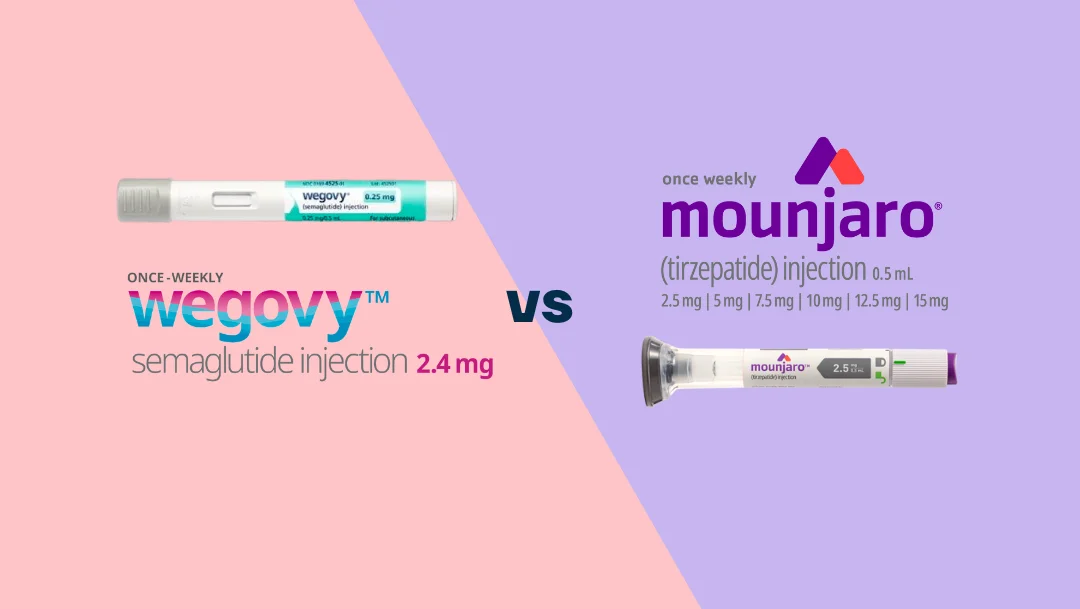
Mounjaro vs Wegovy: Which Should You Buy in 2026? (The Complete Comparison)

Updated June 2026. The definitive side-by-side comparison of the two most effective prescription weight loss medications in Europe — tirzepatide vs semaglutide — covering effectiveness, side effects, costs, contraindications, dosing schedules, cardiovascular benefits, and clinical evidence to help you choose the right treatment.

If you’re considering prescription weight loss treatment in 2026, you’re almost certainly comparing Mounjaro (tirzepatide) against Wegovy (semaglutide). These two medications dominate the European weight loss market — and for good reason. They produce more weight loss than any treatments before them, with safety profiles built on years of cumulative clinical data.

But which one is right for you? The honest answer: it depends on your specific medical profile, treatment goals, budget, side effect tolerance, and whether you have certain conditions (like cardiovascular disease) where one medication has more proven benefit. This comprehensive comparison gives you everything you need to make an informed decision — or to discuss the choice intelligently with your reviewing doctor.

The Headline Comparison: Mounjaro vs Wegovy at a Glance

FeatureMounjaroWegovy
Active ingredientTirzepatideSemaglutide
ManufacturerEli LillyNovo Nordisk
MechanismDual GLP-1 + GIP agonistGLP-1 agonist (single hormone)
Average weight loss22.5% over 72 weeks21% over 68 weeks
Maximum dose15 mg weekly2.4 mg weekly
FrequencyOnce weekly injectionOnce weekly injection
Titration period20 weeks16 weeks
Cardiovascular benefitStudies ongoing (SURMOUNT-MMO)Confirmed 20% MACE reduction (SELECT)
Diabetes indicationYes (also licensed for T2DM)Only for diabetes if Ozempic (same molecule)
Starting price (EU Slim Store)€148.00€99.00
EMA approval (weight loss)December 2023January 2022

The 30-Second Summary

Choose Mounjaro if you want maximum weight loss potential, have type 2 diabetes alongside obesity, haven’t achieved your goals on Wegovy, or have severe obesity (BMI ≥ 40).

Choose Wegovy if you have established cardiovascular disease (heart attack history, stroke history, or peripheral artery disease), want the most established long-term safety profile, want a slightly more affordable option, or are starting your first GLP-1 treatment.

Both are excellent choices. Both will likely transform your weight and health. The differences matter at the margins but the overall fundamentals are similar — both produce substantially more weight loss than any other prescription option available in Europe.

How Each Medication Works

Mounjaro’s Dual-Hormone Mechanism

Mounjaro contains tirzepatide, which mimics two natural gut hormones simultaneously:

  • GLP-1 (glucagon-like peptide 1) — slows gastric emptying, reduces appetite signals in the brain, improves insulin response
  • GIP (glucose-dependent insulinotropic polypeptide) — enhances insulin secretion, improves adipose tissue insulin sensitivity, modulates appetite through different brain pathways

This dual mechanism is why Mounjaro produces stronger weight loss than single-hormone GLP-1 agonists. The two hormones work synergistically — GLP-1 dominates appetite suppression while GIP enhances metabolic effects on fat tissue. The combination produces effects greater than the sum of each pathway alone.

Tirzepatide was the first dual GLP-1/GIP agonist ever approved for any medical use, originally licensed for type 2 diabetes (as Mounjaro) in late 2022 and subsequently for chronic weight management in December 2023.

Wegovy’s Single-Hormone Mechanism

Wegovy contains semaglutide, which mimics only GLP-1. This still produces three coordinated effects:

  • Slowed gastric emptying — food remains in stomach longer, prolonging fullness
  • Reduced appetite signals in hypothalamus and reward pathways — less hunger, less food-seeking
  • Improved insulin response — stabilises blood sugar after meals

Semaglutide has been studied extensively since the 1990s, originally approved for type 2 diabetes (as Ozempic) in 2017 and for chronic weight management (as Wegovy) in January 2022. Its safety and efficacy profile is the most thoroughly documented of any GLP-1 medication.

Effectiveness: How Much Weight Will You Actually Lose?

This is the most important question for most patients. The clinical trial data:

Mounjaro Trial Data (SURMOUNT Program)

The pivotal SURMOUNT-1 trial enrolled 2,539 adults with obesity (BMI ≥ 30) or overweight (BMI ≥ 27 with comorbidities) without diabetes. Results at week 72:

  • 5 mg dose: 16.0% average weight loss
  • 10 mg dose: 21.4% average weight loss
  • 15 mg dose: 22.5% average weight loss (maximum)
  • Placebo: 2.4% weight loss

At the 15 mg dose, 91% of patients lost at least 5% of body weight, 83% lost at least 10%, 63% lost at least 20%, and 36% lost at least 25%. These results are unprecedented for non-surgical weight loss medication.

Wegovy Trial Data (STEP Program)

The STEP-1 trial enrolled 1,961 adults with obesity or overweight with comorbidities. Results at week 68 with 2.4 mg dose:

  • Wegovy 2.4 mg: 21.1% average weight loss
  • Placebo: 3.1% weight loss

86% of patients lost at least 5% of body weight, 69% lost at least 10%, 50% lost at least 15%, and 32% lost at least 20%. Strong but slightly less robust than Mounjaro 15 mg.

Head-to-Head: SURMOUNT-5

In 2024, the SURMOUNT-5 trial directly compared Mounjaro vs Wegovy. After 72 weeks of treatment in over 700 adults with obesity:

  • Mounjaro (titrated to maximum tolerated dose): 20.2% average weight loss
  • Wegovy (titrated to maximum tolerated dose): 13.7% average weight loss

The head-to-head result confirmed Mounjaro’s superior effectiveness — patients lost approximately 47% more weight on Mounjaro than on Wegovy in the same time period.

What This Means for Your Personal Decision

If maximum weight loss is your primary goal, Mounjaro has a clear advantage. However, both medications produce extraordinary results compared to anything else available. Wegovy’s 21% average is still nearly double what older medications like Saxenda achieved (8–12%), and triple what Xenical produces (5–10%).

If you’re starting from a BMI of 35, Mounjaro’s ~22% average means losing about 24 kg from a 110 kg starting weight; Wegovy’s ~21% means losing about 23 kg. The practical difference is meaningful but not dramatic for most patients.

Cardiovascular Benefits: Where Wegovy Has the Edge

This is one area where the comparison clearly favours Wegovy — at least for now. The SELECT trial (Semaglutide Effects on Cardiovascular Outcomes in People with Overweight or Obesity) enrolled over 17,000 patients with established cardiovascular disease and overweight/obesity, randomising them to Wegovy or placebo.

After approximately 3 years of treatment, Wegovy patients had:

  • 20% reduction in major adverse cardiovascular events (MACE) — cardiovascular death, non-fatal heart attack, or non-fatal stroke
  • 15% reduction in all-cause mortality
  • 19% reduction in cardiovascular mortality specifically
  • Significant reductions in heart failure events, kidney function decline, and progression to diabetes

These outcomes were independent of the weight loss effects — meaning Wegovy provides cardiovascular protection beyond what weight loss alone explains.

For Mounjaro, the equivalent cardiovascular outcomes trial (SURMOUNT-MMO) is currently ongoing, with expected results in late 2027. Until then, Wegovy is the only weight loss medication with proven cardiovascular benefit specifically for non-diabetic patients with established heart disease.

Practical implication: If you have a history of heart attack, stroke, peripheral artery disease, or significant cardiovascular risk factors, Wegovy currently has stronger evidence supporting its use beyond just weight loss. Your doctor will weigh this when recommending between the two medications.

Side Effects: Comparable but Not Identical

Both medications cause similar gastrointestinal side effects, with broadly similar incidence rates. Direct comparison from the SURMOUNT-5 trial:

Side EffectMounjaroWegovy
Nausea44%44%
Diarrhoea27%30%
Constipation17%24%
Vomiting16%24%
Discontinuation due to side effects6%8%

Notably, Mounjaro had slightly lower rates of vomiting and lower discontinuation due to side effects in the head-to-head comparison. This may reflect the dual GLP-1/GIP mechanism — GIP appears to attenuate some of the gastric side effects that GLP-1 alone produces.

Side Effect Profile Differences in Practice

Many patients report that the subjective experience of side effects differs between the two medications:

  • Mounjaro users often report nausea is shorter in duration after each dose increase, but appetite suppression is more profound
  • Wegovy users often report more sustained mild nausea but easier transition between doses

These are general patterns with significant individual variation. Some patients tolerate one but not the other for unpredictable reasons. If side effects on one medication are intolerable, switching to the other often resolves the issue.

Dosing Schedules and Titration

Mounjaro Titration Schedule

  • Weeks 1–4: 2.5 mg weekly (starter, not therapeutic)
  • Weeks 5–8: 5 mg weekly (entry therapeutic)
  • Weeks 9–12: 7.5 mg weekly
  • Weeks 13–16: 10 mg weekly
  • Weeks 17–20: 12.5 mg weekly
  • Week 21+: 15 mg weekly (maximum maintenance)

Total titration: 20 weeks to reach maximum dose. Most patients reach the 10–15 mg range as their maintenance dose.

Wegovy Titration Schedule

  • Weeks 1–4: 0.25 mg weekly (starter, not therapeutic)
  • Weeks 5–8: 0.5 mg weekly
  • Weeks 9–12: 1.0 mg weekly
  • Weeks 13–16: 1.7 mg weekly
  • Week 17+: 2.4 mg weekly (maintenance)

Total titration: 16 weeks to reach maintenance dose. All patients reach the same 2.4 mg maintenance dose.

Implications

Wegovy reaches its maintenance dose 4 weeks faster than Mounjaro. However, Mounjaro offers more dose flexibility — patients can stop titrating at 5 mg, 7.5 mg, 10 mg, 12.5 mg, or 15 mg depending on their response and tolerance. Wegovy is essentially binary at maintenance — either 2.4 mg or step down.

For patients sensitive to side effects, Mounjaro’s gradual dose escalation provides more opportunities to optimise the balance between effectiveness and tolerability.

Contraindications: Who Cannot Take Each Medication

The contraindications for Mounjaro and Wegovy are nearly identical, reflecting their shared pharmacological class:

Absolute Contraindications (Both Medications)

  • Personal or family history of medullary thyroid carcinoma (MTC)
  • Multiple endocrine neoplasia syndrome type 2 (MEN 2)
  • Pregnancy or active breastfeeding
  • Severe gastrointestinal disease (gastroparesis, severe GERD, history of intestinal obstruction)
  • Active pancreatitis or history of recurrent pancreatitis
  • Type 1 diabetes (these medications don’t substitute for insulin)
  • Diabetic ketoacidosis
  • Known severe allergic reaction to GLP-1 agonists

Relative Contraindications

  • Moderate-to-severe diabetic retinopathy (Wegovy specifically requires caution)
  • Severe gastroparesis
  • History of bariatric surgery
  • Severe chronic kidney disease (CKD stages 4–5)
  • Patients planning pregnancy within 2 months

If you have any of these conditions, your reviewing doctor will need to weigh risks and benefits carefully. For most patients with typical obesity (without rare medical issues), neither Mounjaro nor Wegovy is contraindicated.

Costs: Price Comparison Across Markets

Pricing varies significantly across European markets and online pharmacies. EU Slim Store offers transparent all-inclusive pricing:

EU Slim Store Pricing

  • Wegovy: Starting at €99.00 (for starter dose pen, contains 4 weekly doses at your prescribed strength)
  • Mounjaro: Starting at €148.00 (per single-use weekly pen)

All-inclusive pricing covers the medication, free doctor consultation, pharmacy dispensing, ongoing patient support, and discreet temperature-controlled delivery.

Long-Term Cost Comparison

Comparing 12-month treatment costs at maintenance doses (rough estimates, actual costs vary based on prescribed dose):

  • Wegovy 12-month maintenance: €99.00–€280.00 per month × 12 = approximately €1,188–€3,360
  • Mounjaro 12-month maintenance: €148.00–€298.00 per month × 12 = approximately €1,776–€3,576

Mounjaro is approximately 15–25% more expensive over a full year of treatment. For maximum weight loss outcomes, many patients consider this differential worthwhile.

Insurance Coverage Reality

Across most European markets, neither Mounjaro nor Wegovy is reliably covered by basic health insurance for weight management indications. Coverage for type 2 diabetes use varies by country and insurance scheme. Most patients pay privately for weight loss treatment with either medication.

Choosing for Specific Situations

You Have Type 2 Diabetes

Both Mounjaro and Wegovy (sold as Ozempic for diabetes indication) effectively manage type 2 diabetes. Mounjaro is generally more effective for both glycemic control and weight loss in diabetic patients. If you have both diabetes and obesity, Mounjaro is often the better choice.

You Have Cardiovascular Disease

Wegovy currently has proven cardiovascular outcome benefits (20% MACE reduction) that Mounjaro hasn’t yet demonstrated (trial ongoing). For patients with established heart disease, stroke history, or peripheral artery disease, Wegovy is the better-evidenced choice in 2026.

You’re Starting Your First Weight Loss Medication

Either is a reasonable choice. Wegovy is slightly more affordable and has the more established safety profile. Mounjaro offers higher weight loss potential. Many patients start with Wegovy and switch to Mounjaro if outcomes are insufficient, or vice versa.

You’ve Already Tried One and Plateaued

If you’ve achieved good weight loss on Wegovy but plateaued, switching to Mounjaro often produces additional weight loss (5–10% beyond your Wegovy plateau in many cases). If you’ve struggled on Mounjaro due to side effects, switching to Wegovy may work better despite potentially lower maximum weight loss.

You Have Severe Obesity (BMI ≥ 40)

For severe obesity, Mounjaro’s higher weight loss potential is meaningful. Losing 22% of body weight from a starting weight of 130 kg means losing approximately 29 kg, versus 27 kg with Wegovy — a 2 kg difference that may matter clinically for comorbidity improvement.

You Have Limited Budget

Wegovy is the more affordable option at €99 starting vs Mounjaro’s €148. If maximum weight loss isn’t your absolute priority and Wegovy’s outcomes are sufficient for your goals, the cost difference is meaningful.

You Want the Most Established Safety Profile

Wegovy has been licensed since 2022, with the underlying semaglutide molecule extending back to Ozempic’s approval in 2017 — about 8 years of cumulative real-world experience by 2026. Mounjaro has been approved for weight loss since December 2023 (about 2.5 years by mid-2026). Both have excellent safety profiles, but Wegovy has more cumulative data.

Switching Between Mounjaro and Wegovy

Many patients switch between these medications during their treatment journey. Switching is straightforward but should always be done with doctor guidance:

Wegovy → Mounjaro

Typical reason: Plateau on Wegovy, want more weight loss. Approach: Stop Wegovy. Start Mounjaro at 2.5 mg (starter dose). Re-titrate through the Mounjaro schedule. Total transition takes about 20 weeks to reach Mounjaro maintenance.

Mounjaro → Wegovy

Typical reason: Mounjaro side effects intolerable, cost concerns, or desire for cardiovascular outcomes. Approach: Stop Mounjaro. Start Wegovy at 0.25 mg (starter dose). Re-titrate through Wegovy schedule. Total transition takes about 16 weeks to reach Wegovy maintenance.

Why Re-Titration Is Necessary

Even though both medications are GLP-1 agonists, the doses aren’t directly equivalent. Starting at maintenance dose of the new medication risks severe side effects. Re-titration allows the body to adapt to the new molecule.

What Real Patients Report About Each

From thousands of patient experiences with both medications:

Common Mounjaro Patient Reports

  • “My hunger virtually disappeared. I have to remind myself to eat.”
  • “The food noise stopped. I no longer think about food constantly.”
  • “Side effects were worst at the 5 mg step. Smooth after that.”
  • “I’m losing 1–1.5 kg per week consistently.”
  • “My energy is better than it’s been in years.”
  • “Cravings for sugar and carbs are gone. I can’t believe it.”

Common Wegovy Patient Reports

  • “My relationship with food has fundamentally changed.”
  • “I needed to learn to eat enough — fullness comes so fast.”
  • “Nausea was tough during titration but manageable with smaller meals.”
  • “I’m down 18 kg in 8 months and still losing.”
  • “My blood pressure improved within 6 weeks.”
  • “I feel like my body is finally working properly.”

Common Frustrations on Both

  • Plateau periods where weight loss slows or stalls temporarily
  • Need to consciously eat enough protein (especially during peak appetite suppression)
  • Sleep disruption from gastrointestinal side effects during titration
  • Adjusting social eating habits when food doesn’t appeal
  • Family/friends asking about visible weight loss

Combining With Lifestyle Changes

Both Mounjaro and Wegovy work best combined with lifestyle changes:

Diet During Treatment

  • Protein priority — 1.2–1.6 g per kg of body weight daily; essential for preserving muscle during weight loss
  • Adequate hydration — at least 2L water daily; reduces nausea and supports metabolism
  • Smaller meals — eat less per sitting but more frequently to manage fullness
  • Avoid greasy/fried foods — particularly during titration; these substantially worsen nausea
  • Whole foods focus — vegetables, fruits, lean proteins, whole grains

Exercise During Treatment

  • Resistance training 2–3x weekly — preserves muscle mass during rapid weight loss
  • Moderate cardio 150+ minutes weekly — supports cardiovascular health and energy
  • Walking — easy, low-impact, surprisingly effective for metabolic health
  • Flexibility/mobility work — important as your body composition changes

Sleep and Stress Management

Both medications work better when patients prioritise sleep (7–9 hours nightly) and manage stress. Cortisol from chronic stress can blunt weight loss; poor sleep affects hunger hormones independent of medication effects.

When Either Medication Isn’t Right

If neither Mounjaro nor Wegovy works for you (due to contraindications, intolerable side effects, or insufficient response), other options exist:

  • Saxenda (liraglutide) — daily GLP-1 injection, smaller average weight loss (8–12%) but established safety
  • Biolide / Nevolat / Plaobes — daily liraglutide alternatives at lower price points
  • Wegovy Pills — oral semaglutide for patients who prefer tablets to injections
  • Mysimba — different mechanism (brain reward modulation), 5–9% average weight loss
  • Xenical — fat-absorption blocker, 5–10% weight loss, oldest established prescription weight loss medication

Practical Decision Framework

If you’re still unsure which medication to choose, use this decision framework:

Start with Mounjaro if:

  • You want the maximum possible weight loss
  • You have type 2 diabetes alongside obesity
  • You have severe obesity (BMI ≥ 40)
  • You can afford the slightly higher cost
  • You don’t have established cardiovascular disease where Wegovy’s outcome data matters

Start with Wegovy if:

  • You have cardiovascular disease or significant cardiovascular risk factors
  • You want the most established long-term safety profile
  • Cost is a meaningful consideration
  • You’re new to GLP-1 treatment and want a well-understood starting point
  • You don’t need the absolute maximum weight loss

Get personalised guidance:

Ultimately, this decision is best made with input from a qualified doctor reviewing your specific medical profile. Our free online consultation provides exactly this — a Dutch BIG-registered or GPhC-affiliated physician will review your case within 24 hours and recommend the medication that fits your situation best.

Frequently Asked Questions

Blog Post 4: Mounjaro vs Wegovy 2026 FAQs

Mounjaro produces more weight loss on average. The SURMOUNT-5 head-to-head trial showed Mounjaro produced 20.2% average weight loss vs 13.7% for Wegovy over 72 weeks — approximately 47% more weight loss on Mounjaro. Individual results vary, but the clinical evidence consistently shows Mounjaro's slight advantage for maximum weight loss potential due to its dual GLP-1/GIP mechanism.

Mounjaro (tirzepatide) targets two hormones simultaneously — GLP-1 and GIP — while Wegovy (semaglutide) targets only GLP-1. The dual-hormone mechanism produces synergistic effects: GLP-1 dominates appetite suppression while GIP enhances insulin sensitivity in fat tissue and modulates appetite through different brain pathways. The combination produces stronger effects than the sum of each pathway alone.

Both medications have similar safety profiles. Wegovy has more cumulative safety data (semaglutide approved since 2017 as Ozempic, 2022 as Wegovy) vs Mounjaro (tirzepatide approved for diabetes in 2022, for weight loss in late 2023). Both are well-tolerated by most patients. Direct comparison from SURMOUNT-5 showed slightly lower discontinuation due to side effects on Mounjaro (6% vs 8% on Wegovy).

Wegovy currently has stronger cardiovascular evidence. The SELECT trial showed Wegovy reduced major adverse cardiovascular events by 20% in patients with established heart disease. Mounjaro's equivalent cardiovascular outcomes trial (SURMOUNT-MMO) is ongoing with results expected late 2027. For patients with established cardiovascular disease, Wegovy is currently the better-evidenced choice.

Mounjaro is generally more effective for both glycemic control and weight loss in diabetic patients. It produces stronger HbA1c reductions and superior weight outcomes compared to semaglutide (Ozempic or Wegovy). If you have both type 2 diabetes and obesity, Mounjaro is often the better choice. Your doctor will consider your full clinical profile, including cardiovascular history.

Side effect profiles are similar but not identical. Both cause primarily gastrointestinal effects (nausea, diarrhoea, constipation). In direct comparison: Mounjaro had slightly lower rates of vomiting and constipation than Wegovy. Discontinuation due to side effects was lower on Mounjaro (6%) than Wegovy (8%). Individual experience varies — some patients tolerate one but not the other unpredictably.

Wegovy reaches its maintenance dose faster: 16 weeks total titration through 5 dose steps (0.25 → 0.5 → 1.0 → 1.7 → 2.4 mg). Mounjaro takes 20 weeks total titration through 6 dose steps (2.5 → 5 → 7.5 → 10 → 12.5 → 15 mg). Mounjaro offers more dose flexibility — patients can stop at intermediate doses based on response.

Yes — many patients switch between these medications. Common reasons: plateau on one medication wanting more weight loss, intolerable side effects, cost considerations, or wanting cardiovascular outcome benefits. Switching requires stopping the current medication and re-titrating from the starter dose of the new medication. Total transition takes 16-20 weeks to reach the new maintenance dose.

It depends on your priorities. Mounjaro is approximately 15-25% more expensive over 12 months (€148+ starting vs €99+ for Wegovy) but produces approximately 47% more weight loss in head-to-head trials. For patients prioritising maximum weight loss, the cost differential is often justified. For patients with cardiovascular concerns where Wegovy's outcome data matters, Wegovy may be more valuable despite less weight loss.

Yes — the contraindications are essentially identical: personal/family history of medullary thyroid carcinoma (MTC), MEN 2 syndrome, pregnancy/breastfeeding, severe gastrointestinal disease, active or recurrent pancreatitis, type 1 diabetes, diabetic ketoacidosis, severe allergic reaction to GLP-1 agonists. Both medications belong to the same pharmacological class with the same safety considerations.

Other options exist: Saxenda (daily liraglutide, lower potency but well-established), Biolide/Nevolat/Plaobes (affordable daily liraglutide alternatives), Wegovy Pills (oral semaglutide for patients preferring tablets), Mysimba (different mechanism targeting brain reward), or Xenical (fat-absorption blocker). Your doctor can guide selection based on why the GLP-1 injections weren't suitable for you.

No — both medications are GLP-1 receptor agonists with overlapping effects. Combining them would not produce additional weight loss but would substantially increase side effects and risk. Patients on one of these medications should not take the other simultaneously. If your current treatment isn't producing sufficient results, switch to the other under doctor guidance rather than combining.

Ready to Start Treatment?

Both Mounjaro and Wegovy will likely produce more weight loss than you’ve achieved through any other method. The “wrong” choice between them is still likely to be a substantially better outcome than no treatment at all. Don’t let analysis paralysis prevent you from starting.

Next steps:

For more context on the broader prescription weight loss landscape, see our complete 2026 guide to buying weight loss injections in Europe. For Netherlands-specific guidance, see Where to Buy Wegovy in the Netherlands.

If you want to ensure you’re buying from a legitimate source rather than counterfeit operations, read our essential safety guide: Buying Weight Loss Injections Online: Legitimate vs Counterfeit.

Weight Loss Injections Europe

Buying Weight Loss Injections in Europe: The Complete 2026 Guide

Updated June 2026. Comprehensive guide to buying prescription weight loss injections online across the European Union, EEA, and UK. Includes country-by-country availability, complete product comparison, eligibility criteria, regulatory context, and step-by-step ordering process.

Weight loss injections have transformed obesity treatment in Europe between 2021 and 2026. What was once a market dominated by a single daily injection (Saxenda, approved 2015) now offers seven major prescription options across multiple price points and delivery schedules. With over 60 million European adults clinically classified as obese according to WHO European data, demand has driven extraordinary innovation — and unfortunately, an equally dramatic rise in counterfeit medications and unregulated online sellers.

This complete 2026 guide explains exactly how to buy weight loss injections online safely and legally across Europe, what’s available in your specific country, how to determine which medication suits your medical profile, and what to expect from the entire process — from initial consultation through delivery and ongoing treatment.

What Are Weight Loss Injections in 2026?

Weight loss injections in 2026 fall into two main pharmacological classes, all using self-administered subcutaneous injection pens designed for safe use at home without medical supervision:

GLP-1 Receptor Agonists (Single-Hormone)

These medications mimic glucagon-like peptide 1 (GLP-1), a natural gut hormone released after eating. By extending the body’s natural fullness response, they reduce appetite, slow gastric emptying, and improve insulin sensitivity. Current options include semaglutide (sold as Wegovy for weight loss and Ozempic for diabetes) and liraglutide (sold as Saxenda, Biolide, Nevolat, and Plaobes).

Dual GLP-1/GIP Agonists (Newest Generation)

The first dual-action weight loss medication, tirzepatide (sold as Mounjaro), targets both GLP-1 and GIP (glucose-dependent insulinotropic polypeptide) simultaneously. This dual hormone approach produces the highest average weight loss of any treatment ever approved for the European market — up to 22.5% of body weight in pivotal clinical trials published in The New England Journal of Medicine.

Why Weight Loss Injections Have Replaced Older Methods

Until 2018, prescription weight loss across Europe meant Orlistat (Xenical) capsules or appetite suppressants with substantial side effect profiles — and average weight loss of just 5–10% over a year. The introduction of GLP-1 receptor agonists fundamentally changed the calculus. Average weight loss tripled. Cardiovascular outcomes improved. Quality of life scores rose dramatically. Diabetes remission became achievable for many patients.

Most importantly, these injections work in a way that aligns with how the body naturally regulates hunger. Patients consistently report that food simply becomes less interesting — without the harsh stimulant effects of older appetite suppressants or the social inconvenience of orlistat’s gastrointestinal effects. This neuroendocrine alignment is why GLP-1 medications have achieved sustained mass adoption in a way previous weight loss drugs never did.

Complete Comparison: 7 Weight Loss Injections Available in Europe 2026

Here’s how the seven major prescription weight loss injections compare across the European market in mid-2026:

MedicationActive IngredientFrequencyAverage Weight LossStarting Price (EU Slim Store)
MounjaroTirzepatideWeekly22.5%€148.00
WegovySemaglutideWeekly21%€99.00
Ozempic (diabetes)SemaglutideWeekly10–15%€99.00
SaxendaLiraglutideDaily8–12%€375.00
BiolideLiraglutideDaily8–12%€110.99
NevolatLiraglutideDaily8–12%€53.99
PlaobesLiraglutideDaily8–12%€125.00

1. Mounjaro (Tirzepatide) — The Strongest Option for Severe Obesity

Mounjaro stands alone in the European market as the only dual GLP-1/GIP receptor agonist currently approved for chronic weight management. In the SURMOUNT-1 clinical trial, patients on the maximum 15 mg weekly dose lost an average of 22.5% of starting body weight over 72 weeks — meaning a person starting at 100 kg lost roughly 22.5 kg.

The dual-hormone mechanism produces superior outcomes because GIP and GLP-1 work synergistically. GIP enhances insulin sensitivity in adipose tissue, while GLP-1 dominates appetite regulation. Together, they produce stronger weight loss than either pathway alone — explaining why Mounjaro outperforms semaglutide-based Wegovy in head-to-head comparisons.

Mounjaro suits patients seeking maximum weight loss, those with severe obesity (BMI ≥ 40), patients who haven’t achieved their goals on semaglutide, and patients with type 2 diabetes (where Mounjaro is also licensed for glycemic control). The trade-off is cost — at €148.00 starting, Mounjaro is the most expensive injection option, though still all-inclusive of consultation, dispensing, and delivery.

2. Wegovy (Semaglutide) — The Best-Known Choice With Cardiovascular Benefits

Wegovy is the most widely-prescribed weight loss injection in Europe and the most-researched. Beyond its weight loss effects (21% average reduction over 68 weeks), the SELECT cardiovascular outcomes trial demonstrated a 20% reduction in major cardiovascular events for patients with established heart disease — making Wegovy the first weight loss medication ever proven to extend life expectancy.

For patients with cardiovascular risk factors (heart disease, history of stroke, peripheral artery disease), Wegovy offers benefits beyond weight loss that no other current treatment matches. It’s also better-established for long-term use, with safety data extending over a decade since semaglutide was first approved in any form.

Starting at €99.00, Wegovy is significantly more affordable than Mounjaro while still providing exceptional weight loss outcomes. For most patients, it represents the best risk-benefit profile available in 2026.

3. Saxenda, Biolide, Nevolat, Plaobes — The Liraglutide Family

Four daily injections share the same active ingredient — liraglutide — at the same 3.0 mg maintenance dose. All produce 8–12% average weight loss over 56 weeks. The differences are pricing, branding, and country availability:

  • Saxenda — the original brand (Novo Nordisk), the only liraglutide product also licensed for adolescents 12–17. Starting at €375.00.
  • Nevolat — MHRA-approved, particularly strong in the UK market. The most affordable liraglutide option at €53.99 starting.
  • Biolide — competitive mid-range pricing (€110.99) with broad EU distribution.
  • Plaobes — specifically distributed across UK, Germany, Netherlands, Norway, Poland, and Spain. €125.00 starting.

Daily liraglutide injections suit patients who prefer daily routines (some find this easier to remember than weekly), patients with moderate obesity goals, those who don’t need the full weight loss potential of weekly GLP-1s, and patients seeking lower-cost GLP-1 options.

4. Ozempic (Semaglutide for Diabetes)

Ozempic contains the same active ingredient as Wegovy (semaglutide) but is licensed specifically for type 2 diabetes management, with doses up to 2.0 mg weekly (compared to Wegovy’s 2.4 mg). For diabetic patients, Ozempic reduces HbA1c by 1.5–1.8 percentage points and produces secondary weight loss of 4–6 kg in the first year.

Ozempic is the appropriate option for patients with type 2 diabetes who need glycemic control. For non-diabetic patients seeking weight loss, Wegovy is the medically appropriate choice. Off-label Ozempic use for weight loss in non-diabetic patients has caused EU-wide supply shortages affecting diabetic patients who medically depend on it — we discourage this practice.

Country-by-Country Availability: Where to Buy Weight Loss Injections in Europe

EU Slim Store ships weight loss injections to most European Union, EEA, and UK markets. Each country has slightly different regulatory frameworks, delivery times, and patient preferences:

🇳🇱 Netherlands — Afslankinjecties Online Kopen

The Netherlands is one of the most established markets for online weight loss treatment. Dutch residents can access all 7 major injection options through our service, with prescriptions issued by BIG-registered Dutch doctors and dispensed from IGJ-registered pharmacies. Delivery via PostNL typically arrives within 2–3 working days in plain, unbranded packaging.

Dutch basisverzekering (basic health insurance) covers Mounjaro and Ozempic for confirmed type 2 diabetes but does not cover weight management indications. Most Dutch patients pay privately for weight loss treatment. The Dutch online telehealth market is one of the most mature in Europe, with patients reporting high satisfaction with the convenience of remote consultation versus traditional GP appointments.

🇩🇪 Germany — Abnehmspritzen Online Kaufen

Germany has the largest weight loss medication market in Europe by population, with extraordinary search volume for terms like “Abnehmspritze kaufen” and “Wegovy bestellen Deutschland.” German patients can access Mounjaro, Wegovy, Saxenda, Ozempic, Biolide, Nevolat, and Plaobes following online consultation. Delivery takes 3–5 working days via Deutsche Post DHL.

Since 2024, German regulators (BfArM, Bundesinstitut für Arzneimittel und Medizinprodukte) have implemented stricter requirements for online GLP-1 prescribing. Our consultation process is fully compliant with these standards — every prescription receives genuine physician review rather than algorithmic auto-approval.

🇬🇧 United Kingdom — Buy Weight Loss Injections Online UK

The UK weight loss injection market grew enormously between 2023 and 2026 as NHS waiting lists for weight management services stretched to 18+ months in some regions. UK patients turning to private telehealth can access Wegovy (the most-prescribed option in the UK), Mounjaro, Saxenda, and Nevolat (specifically MHRA-approved) through our GPhC-registered partner pharmacy (registration 1230976). Delivery via Royal Mail Tracked 24 in 1–2 working days.

The MHRA (Medicines and Healthcare products Regulatory Agency) strictly regulates online prescription medications. Always verify that any online pharmacy claiming UK authorisation displays a valid GPhC registration number and appears in the official GPhC registers.

🇵🇱 Poland — Kupić Zastrzyki na Odchudzanie Online

Poland represents a fast-growing market for weight loss injections with relatively less competition than Western European markets. Polish patients can order Wegovy, Mounjaro, Plaobes, and others following online consultation with a European-licensed physician. Delivery to Poland takes 4–5 working days.

🇧🇪 Belgium — Acheter Injection Perte de Poids en Ligne

Belgian patients (both French-speaking Walloon and Dutch-speaking Flemish regions) can complete consultations in their preferred language and receive any of our 7 injection options. Delivery via Bpost in 2–4 working days. Belgium’s central European location means delivery is reliably quick.

🇫🇷 France — Injection Perte de Poids en Ligne

France has historically taken a conservative approach to online prescription medications, with ANSM (Agence nationale de sécurité du médicament) implementing rigorous standards. Our French-language consultation process meets current ANSM requirements. French patients can access Wegovy, Saxenda, and other major treatments with delivery via La Poste in 3–5 working days.

🇳🇴 Norway — Kjøpe Vekttap Injeksjon På Nett

Norwegian patients (within the EEA) can order weight loss injections following consultation that respects Statens Legemiddelverk standards. Norway has historically had restrictive policies on online weight loss prescribing — our service meets the current authoritative requirements. Delivery via Posten Norge in 4–6 working days.

Eligibility Criteria: Who Qualifies for Weight Loss Injections in 2026?

Eligibility for prescription weight loss injections follows European Medicines Agency clinical guidance. The standard criteria are:

  • BMI ≥ 30 (clinical obesity), OR
  • BMI ≥ 27 combined with at least one weight-related health condition

Qualifying weight-related conditions include:

  • Type 2 diabetes or prediabetes
  • Hypertension (high blood pressure)
  • Dyslipidaemia (abnormal cholesterol/triglycerides)
  • Obstructive sleep apnoea
  • Established cardiovascular disease
  • Polycystic ovary syndrome (PCOS) with insulin resistance
  • Non-alcoholic fatty liver disease (NAFLD/MASLD)
  • Osteoarthritis with significant weight-related impact

Check your BMI with our free BMI calculator to determine your starting point.

Contraindications — Who Cannot Take Weight Loss Injections

Weight loss injections are not appropriate for everyone. Absolute contraindications include:

  • Personal or family history of medullary thyroid carcinoma (MTC)
  • Multiple endocrine neoplasia syndrome type 2 (MEN 2)
  • Severe gastrointestinal disease (gastroparesis, severe GERD, history of intestinal obstruction)
  • Active pancreatitis or history of recurrent pancreatitis
  • Pregnancy or active breastfeeding
  • Patients planning pregnancy within 2 months (Mounjaro) or 2 months (Wegovy)
  • Type 1 diabetes (these medications don’t substitute for insulin)
  • Diabetic ketoacidosis
  • Known severe allergic reaction to any GLP-1 agonist

Relative contraindications requiring careful medical assessment include moderate-to-severe diabetic retinopathy, severe gastroparesis, history of bariatric surgery, and chronic kidney disease (especially CKD stages 4–5).

How to Buy Weight Loss Injections Online — The 2026 Process

The legitimate online process for buying weight loss injections in Europe has six clear steps:

Step 1: Determine Your Eligibility

Before starting any consultation, use our BMI calculator to confirm your BMI is at least 27 (with comorbidities) or 30 (without). If your BMI is below the threshold, weight loss injections aren’t medically appropriate — your reviewing doctor would not be able to prescribe them safely or legally.

Step 2: Choose Your Preferred Treatment (or Let the Doctor Recommend)

Browse our complete range of weight loss injections to understand your options. You don’t need to make a final decision before consultation — many patients prefer to let the doctor recommend based on their full medical profile. If you have a preference (e.g., wanting Mounjaro for maximum weight loss, or Wegovy for cardiovascular benefits), note this in the consultation.

Step 3: Complete the Free Online Consultation

Our 15-minute online consultation collects all the information a licensed doctor needs to assess your eligibility safely. Questions cover:

  • Personal demographics (age, sex, location)
  • Current BMI and weight history
  • Existing medical conditions
  • Current medications (critical for drug interaction screening)
  • Personal and family medical history (especially thyroid cancer, pancreatitis, eating disorders)
  • Previous weight loss treatment history
  • Goals and treatment preferences

Be completely honest in your responses. Inaccurate information could result in serious medical complications — and your doctor cannot know what you don’t tell them.

Step 4: Doctor Review (Within 24 Hours)

A licensed European doctor reviews your case, typically within 24 hours of submission. The doctor will either:

  • Approve your prescription and recommend a specific medication and dose
  • Request additional information before deciding (e.g., recent blood pressure readings)
  • Recommend an alternative treatment more suitable for your profile
  • Decline if contraindications are present, with an explanation of why

If declined, no payment is taken. The consultation is genuinely free — you only pay if your doctor approves treatment and you choose to proceed.

Step 5: Pharmacy Dispensing and Delivery

Once approved, our regulated EU pharmacy dispenses your medication in original manufacturer packaging. Cold-chain logistics maintain refrigeration during transit. Delivery times vary by country (as detailed above), but all medications arrive in plain, unbranded packaging that doesn’t reveal the contents.

Step 6: Ongoing Treatment Support

Through our secure patient portal, you can message your reviewing doctor anytime with questions about dosing, side effects, lifestyle changes, or progress. We provide nurse-led injection technique videos for first-time users and ongoing monitoring at major milestones (4 weeks, 12 weeks, 6 months).

What to Expect During Treatment

The First Four Weeks

All weight loss injections start at the lowest dose to allow your body to adapt. During the first 4 weeks at the starter dose, expect:

  • Reduced appetite within 1–2 weeks
  • Some nausea (most common side effect) for 1–2 weeks per dose increase
  • Minor gastrointestinal symptoms (constipation or loose stools)
  • Possible mild fatigue or headache
  • Weight loss of 1–3% in the first month

Months 2–3

As you titrate to therapeutic doses, weight loss accelerates. Most patients have lost 5% of starting body weight by week 12. Side effects from titration typically decrease as your body adapts. Energy levels return to normal or improve. Many patients report changes in food preferences — high-fat and high-sugar foods become less appealing.

Months 4–6

This is typically the period of fastest weight loss. By week 20, most patients have lost approximately 10% of starting body weight. Body composition begins shifting noticeably. Clothing fits differently. Energy and physical capacity often improve substantially.

Months 6–18

Weight loss continues at a slower but steady pace. Most patients reach their maximum weight loss between months 12 and 18 (depending on the medication). For Mounjaro and Wegovy, average plateaus occur around 21–22% of starting body weight.

Beyond 18 Months — Long-Term Maintenance

Obesity is now widely recognised by medical authorities as a chronic disease requiring long-term treatment. Patients who continue treatment maintain their weight loss; those who stop typically regain approximately two-thirds of lost weight within 12 months. Your doctor will discuss long-term plans with you — most patients on these treatments continue indefinitely or step down to lower maintenance doses.

Side Effects and Safety in 2026

The safety profile of GLP-1 receptor agonists is now extremely well-characterised, with over 25 years of cumulative clinical experience across all indications. The most common side effects are gastrointestinal and manageable:

  • Nausea — most common, affecting 25–44% during titration depending on medication
  • Diarrhoea or constipation — typically transient
  • Vomiting — less common, usually during dose increases
  • Decreased appetite — intended therapeutic effect
  • Fatigue and headache — usually mild
  • Mild injection-site reactions — temporary redness or itching

Strategies to minimise side effects include eating smaller more frequent meals, staying well hydrated, avoiding fatty or rich foods (especially during titration), slowing dose escalation if needed, and rotating injection sites.

Serious side effects are rare but require immediate medical attention. Seek urgent care for severe abdominal pain (possible pancreatitis), persistent vomiting with inability to keep fluids down, signs of gallbladder disease (right upper quadrant pain, jaundice), vision changes, or signs of an allergic reaction (facial swelling, difficulty breathing).

Long-term safety data from the SUSTAIN, STEP, and SELECT trial programmes shows no increased risk of cancer, no neurological complications, and improved cardiovascular outcomes for patients with established heart disease.

Costs and Value: Understanding the Real Pricing of Weight Loss Injections

Online pricing for weight loss injections varies significantly across European pharmacies. EU Slim Store’s transparent all-inclusive pricing covers:

  • The medication in original manufacturer packaging
  • Free online consultation with a licensed European doctor
  • Pharmacy dispensing from EU-regulated facility
  • Ongoing patient support and follow-up
  • Discreet temperature-controlled delivery

Beware extremely low-priced offers (significantly below the prices listed in our comparison table above). Genuine European GLP-1 medications cannot be sold below certain wholesale thresholds. Prices that seem too good to be true often indicate counterfeit products, expired stock, or unregulated sourcing from outside the EU regulatory framework.

Insurance Coverage in 2026

Coverage varies dramatically across European markets:

  • Netherlands: Basisverzekering covers tirzepatide and semaglutide for confirmed type 2 diabetes; not for weight management alone.
  • Germany: Coverage by GKV varies by Krankenkasse and case complexity. Some Krankenkassen reimburse for severe obesity with comorbidities.
  • UK: NHS provides Wegovy and Mounjaro through specialist Tier 3 weight management services. Waiting lists are typically 12–18+ months.
  • France: Limited reimbursement through Sécurité sociale; supplementary mutuelle coverage may apply for specific cases.
  • Norway/Poland/Belgium: Generally private payment for weight management indications.

Most patients across all European markets pay privately for weight management treatment. The free consultation and transparent pricing model means there are no surprises.

Safety First: Recognizing Legitimate Online Pharmacies

The explosion in demand for weight loss injections has unfortunately attracted criminal counterfeit operations across Europe. Always verify that any online pharmacy meets these standards before purchasing:

  • Licensed pharmacy registration — check official registers (GPhC for UK, IGJ for Netherlands, equivalents per country)
  • Mandatory online consultation — any pharmacy selling GLP-1 medications without consultation is operating illegally
  • Original manufacturer packaging — verify pen serial numbers and batch codes with the manufacturer if uncertain
  • Cold-chain shipping — GLP-1 medications require refrigeration; pharmacies that ship without insulated packaging may have compromised stock
  • Transparent regulatory information — legitimate pharmacies prominently display registration numbers, registered pharmacist details, and regulatory authorities

For a complete guide to spotting counterfeit operations, see our dedicated article on legitimate vs counterfeit weight loss injections.

Frequently Asked Questions

The FAQ section below covers the most common questions about buying weight loss injections in Europe. For product-specific questions, see the FAQ section on each individual product page.

Blog Post 1: Buying Weight Loss Injections Europe 2026 FAQs

The seven major prescription weight loss injections available across Europe in 2026 are Mounjaro (tirzepatide, 22.5% weight loss), Wegovy (semaglutide, 21%), Saxenda, Biolide, Nevolat, and Plaobes (liraglutide options, 8-12%), and Ozempic (semaglutide for diabetes). Mounjaro produces the highest average weight loss; Wegovy has the strongest cardiovascular outcome data; the liraglutide options offer affordable daily injection alternatives. Final choice depends on medical history, treatment goals, and budget.

Yes — buying prescription weight loss injections online is fully legal across the EU, EEA, and UK when ordered through a licensed pharmacy following a proper medical consultation. The consultation must be reviewed by a qualified physician licensed in your country. Avoid websites that sell GLP-1 medications without consultation — these are operating illegally and typically sell counterfeit products.

Yes — all GLP-1 weight loss injections (Mounjaro, Wegovy, Saxenda, Ozempic, Biolide, Nevolat, Plaobes) are prescription-only medications across every European country. They cannot legally be sold over the counter. The free online consultation through EU Slim Store provides the medical assessment needed for a licensed European doctor to issue your prescription if you're eligible.

Standard eligibility follows European Medicines Agency guidelines: BMI ≥ 30 (clinical obesity), OR BMI ≥ 27 with at least one weight-related health condition such as type 2 diabetes, hypertension, sleep apnoea, dyslipidaemia, cardiovascular disease, PCOS, or non-alcoholic fatty liver disease. Use our free BMI calculator to check where you stand before consultation.

Starting prices at EU Slim Store: Nevolat from €53.99, Wegovy and Ozempic from €99.00, Biolide from €110.99, Plaobes from €125.00, Mounjaro from €148.00, Saxenda from €375.00. Pricing is all-inclusive, covering the medication, free doctor consultation, pharmacy dispensing, ongoing support, and temperature-controlled delivery. No hidden fees or subscription traps.

Delivery times vary by country: Netherlands 2-3 days via PostNL, UK 1-2 days via Royal Mail, Belgium 2-4 days via Bpost, Germany 3-5 days via Deutsche Post DHL, France 3-5 days via La Poste, Poland 4-5 days, Norway 4-6 days via Posten Norge, Spain 3-5 days. All deliveries arrive in plain unbranded packaging with cold-chain temperature control for the medication.

Coverage varies significantly. Netherlands: basisverzekering covers tirzepatide and semaglutide only for confirmed type 2 diabetes, not weight management. UK: NHS provides via specialist Tier 3 services with 12-18+ month waiting lists. Germany: GKV coverage varies by Krankenkasse. France: limited reimbursement through Sécurité sociale. Most patients across Europe pay privately for weight management treatment.

Most patients notice reduced appetite within 1-2 weeks. Visible weight loss typically begins around weeks 3-4. By week 20, average loss is approximately 5% of starting body weight. Significant weight loss (10%+) is generally achieved by month 4-6. Maximum results typically occur between months 12-18 at maintenance doses, when most patients reach their personal plateau.

Yes — many patients switch between weight loss injections during treatment. Common switches include Saxenda → Wegovy (daily to weekly), Wegovy → Mounjaro (for stronger effect), or Mounjaro → Wegovy (for cost or side effect reasons). Switching always requires re-titration from a starter dose under doctor guidance, taking 16-20 weeks to reach the new maintenance dose.

Without continued treatment, most patients regain approximately two-thirds of lost weight within 12 months. Obesity is now medically recognised as a chronic condition typically requiring long-term treatment. Many patients continue weight loss injections indefinitely at maintenance doses; others transition to lifestyle-only management with continued doctor support.

GLP-1 receptor agonists have over 25 years of cumulative safety data across all indications. Long-term studies (SUSTAIN, STEP, SELECT trial programmes) show no increased cancer risk, no neurological complications, and improved cardiovascular outcomes for patients with established heart disease. The medications are considered safe for long-term use under appropriate medical supervision.

No — weight loss injections are contraindicated during pregnancy and breastfeeding. Stop treatment at least 2 months before planned conception. If using hormonal birth control, note that slowed gastric emptying can affect absorption of oral contraceptives — use barrier backup contraception for at least 4 weeks after starting and after each dose increase.

GLP-1 injections produce significant weight loss even without major lifestyle changes — typically 10-15% in clinical trials with minimal additional intervention. However, results substantially improve with diet and exercise alongside medication. Patients combining injections with Mediterranean-style eating and 150+ minutes of weekly exercise typically achieve 5-10% more weight loss than medication alone.

Ready to Start Your Weight Loss Journey?

You’ve now read the most comprehensive 2026 guide to buying weight loss injections in Europe. You understand the seven major options, their relative effectiveness, country-by-country availability, eligibility criteria, the ordering process, and key safety considerations.

The next step is the consultation itself — and it’s genuinely free with no commitment.

Take the next step:

For comparing Mounjaro and Wegovy specifically — by far the two most effective treatments — read our dedicated comparison: Mounjaro vs Wegovy: Which Should You Buy in 2026?

If you’d prefer non-injectable options, see our weight loss tablets range including Xenical, Mysimba, and Wegovy Pills.

Buy Wegovy Pills Europe

Where to Buy Wegovy in the Netherlands: The 2026 Complete Guide (Without Prescription Headaches)

Updated June 2026. Complete guide for Dutch residents to buying Wegovy (semaglutide) online — eligibility, the prescription process via Dutch BIG-registered doctors, IGJ-registered pharmacy dispensing, PostNL delivery, insurance coverage realities, and what to expect at every step.

If you’re a Dutch resident searching for “Wegovy kopen Nederland” or “buy Wegovy Netherlands online” — you’re not alone. The Netherlands has one of the highest per-capita demand levels for weight loss injections in Europe. The Dutch obesity rate currently sits at approximately 15.4% of adults, with another 35% classified as overweight, according to RIVM (Rijksinstituut voor Volksgezondheid en Milieu). The interest in effective treatment has never been higher.

Yet most Dutch patients quickly discover that getting Wegovy through the traditional NHS-equivalent — basisverzekering combined with huisarts referral — is frustrating: long waiting lists, restrictive eligibility, limited reimbursement, and rationed supply. This guide explains exactly how to legally and safely buy Wegovy online in the Netherlands without those headaches, with full transparency on what to expect from the alternative route.

The Wegovy Situation in the Netherlands in 2026

Wegovy was approved by the European Medicines Agency (EMA) in January 2022 specifically for chronic weight management. It became available across the Netherlands shortly after, manufactured by Novo Nordisk and distributed through normal pharmaceutical channels.

From the patient perspective, however, accessing Wegovy through standard Dutch healthcare has been challenging from the start. Several factors converge to create what most patients describe as “prescription headaches”:

  • Limited insurance coverage — Dutch basisverzekering covers semaglutide for confirmed type 2 diabetes (as Ozempic) but generally not for weight management indications (as Wegovy)
  • Huisarts time constraints — most general practitioners have 10-minute appointment slots, insufficient for thorough obesity treatment discussions
  • Specialist referral wait times — referral to an endocrinologist or weight management clinic typically involves 8–16 week waiting lists in 2026
  • Restrictive eligibility — many huisarts apply stricter criteria than EMA guidelines, often requiring documented failed weight loss attempts over multiple years
  • Supply shortages — periodic Wegovy supply shortages mean even with a prescription, your local apotheek may be unable to dispense for weeks
  • Privacy concerns — many patients are uncomfortable discussing weight openly with their primary doctor

The result: a substantial gap between Dutch patient demand for legitimate Wegovy treatment and what the traditional healthcare route practically delivers. Online telehealth services have stepped into this gap with regulated, doctor-supervised alternatives.

What Is Wegovy and Why It Works So Well

Wegovy contains semaglutide, a GLP-1 (glucagon-like peptide 1) receptor agonist. It’s manufactured by Danish pharmaceutical giant Novo Nordisk. Wegovy is administered as a once-weekly subcutaneous injection using a pre-filled disposable pen with a built-in fine needle.

The medication works by mimicking the natural GLP-1 hormone your gut produces after eating. This produces three coordinated effects:

  1. Slowed gastric emptying — food remains in your stomach longer, prolonging the feeling of fullness
  2. Reduced appetite signals in the brain’s hypothalamus and reward circuits — you simply feel less hungry, with less interest in food
  3. Improved insulin response — blood sugar stabilises after meals, reducing energy crashes that often trigger eating

The combination produces what most Wegovy patients describe as a profound but quiet change in their relationship with food. Cravings — particularly for high-fat and high-sugar foods — substantially reduce. Portion sizes naturally shrink without willpower struggle.

Wegovy Clinical Results

The pivotal STEP-1 clinical trial showed Wegovy patients losing an average of 21% of starting body weight over 68 weeks at the maintenance 2.4 mg weekly dose, compared to 3% in the placebo group. Approximately one-third of patients lost more than 20% of their body weight; another third lost 10–20%; the remainder achieved smaller but clinically meaningful losses.

Subsequent trials (STEP-2 through STEP-9, plus the landmark SELECT cardiovascular outcomes trial) confirmed these results across diverse populations and demonstrated additional cardiovascular benefits — a 20% reduction in major adverse cardiovascular events for patients with established heart disease.

These are exceptional clinical results. Prior to GLP-1 medications, the realistic expectation for non-surgical weight loss treatment was 5–10% over 12 months. Wegovy more than doubles that.

Three Routes to Get Wegovy in the Netherlands

Dutch residents have three practical paths to access Wegovy treatment. Each has different advantages and limitations:

Route 1: Traditional Huisarts → Specialist → Apotheek

The path: Make an appointment with your huisarts → discuss weight management concerns → request referral to specialist (endocrinologist or weight management clinic) → wait 8–16 weeks → see specialist → potentially get prescription → fill at apotheek (if covered by insurance) or pay privately.

Advantages: Full integration with your existing medical records; potential insurance coverage if you meet strict criteria; in-person continuity of care.

Disadvantages: Long waiting times (often 3–6 months from initial appointment to first injection); restrictive eligibility criteria applied; potential for huisarts to decline referral; privacy concerns for some patients; persistent supply shortages at local apotheken.

Route 2: Private Dutch Weight Loss Clinic

The path: Book consultation at a private gewichtskliniek → attend in-person appointment → if approved, receive prescription → fill at clinic-affiliated apotheek or external pharmacy.

Advantages: Faster than huisarts route; specialised in obesity treatment; can bypass huisarts gatekeeping; in-person care if you prefer.

Disadvantages: Cost (often €200–€400 just for initial consultation); limited geographic availability (mostly Amsterdam, Rotterdam, Utrecht, Den Haag); appointment availability still constrained; still subject to supply issues.

Route 3: Online Telehealth (EU Slim Store)

The path: Take free 15-minute online consultation → Dutch BIG-registered doctor reviews within 24 hours → if approved, prescription issued → IGJ-registered pharmacy dispenses → PostNL delivery in 2–3 working days.

Advantages: Completely online, no clinic visits required; doctor response within 24 hours (vs months for specialist referrals); full privacy — discussion only with your doctor through secure portal; transparent all-inclusive pricing; reliable supply through dedicated pharmacy partners; no insurance complexity since you pay privately.

Disadvantages: Not covered by basisverzekering (you pay privately); requires self-administration without in-person nurse instruction (videos and remote support provided instead); no in-person physical examination as part of consultation.

The Online Process: Step-by-Step for Dutch Residents

For Dutch residents choosing the online telehealth route, here’s exactly what happens at each stage:

Step 1: Free BMI Check

Before any consultation, use the free BMI calculator to confirm you meet basic eligibility. Wegovy requires BMI ≥ 30, or BMI ≥ 27 with at least one weight-related health condition. If your BMI is below 27, Wegovy is not medically appropriate — no Dutch doctor would be able to prescribe it ethically or legally.

Step 2: Complete the Online Consultation

The free online consultation takes approximately 15 minutes. It covers:

  • Personal demographics — address, date of birth, contact details
  • Current weight, height, BMI
  • Weight history — how long you’ve been at your current weight, past weight loss attempts
  • Existing medical conditions — particularly diabetes, hypertension, sleep apnoea, cardiovascular disease, PCOS, NAFLD
  • Current medications — every prescription, OTC medication, and supplement
  • Personal and family medical history — particularly important: medullary thyroid cancer, MEN 2 syndrome, pancreatitis
  • Previous weight loss medication use — what you’ve tried, side effects, results
  • Pregnancy plans (for women) — Wegovy is contraindicated during pregnancy
  • Goals and preferences — your target weight loss, why you want treatment now

Be completely honest. Your doctor’s safety assessment depends on accurate information. There are no points for understating medical conditions — only risks.

Step 3: Doctor Review

A Dutch BIG-registered doctor (BIG = Beroepen in de Individuele Gezondheidszorg, the Dutch professional healthcare register) personally reviews your consultation, typically within 24 hours. The doctor will either:

  • Approve Wegovy — issues a prescription and recommends a starting dose schedule
  • Request more information — asks for additional details before deciding (e.g., recent blood pressure readings)
  • Recommend an alternative — suggests another treatment more appropriate for your profile (e.g., Saxenda for adolescents, Mounjaro for stronger effect, Xenical if you prefer tablets)
  • Decline — if contraindications are present (e.g., personal history of pancreatitis, pregnancy, MTC), with clear explanation

You only pay if the doctor approves treatment AND you choose to proceed. The consultation itself is genuinely free with no obligations.

Step 4: Pharmacy Dispensing

Approved prescriptions are dispensed by an IGJ-registered pharmacy in original Novo Nordisk packaging. IGJ (Inspectie Gezondheidszorg en Jeugd) is the Dutch healthcare inspection authority that regulates all Dutch pharmacies. IGJ registration guarantees the pharmacy meets Dutch and EU standards for medication storage, dispensing, and patient safety.

Step 5: PostNL Delivery

Your Wegovy ships via PostNL in plain, unbranded, temperature-controlled packaging. Standard delivery time is 2–3 working days within the Netherlands. The packaging maintains refrigeration during transit. On delivery, immediately transfer to your refrigerator (2–8°C) for storage.

Delivery is discreet — there’s nothing on the outside of the parcel that identifies the contents. Payments appear on your card statement under a neutral description.

Step 6: Begin Treatment

Each Wegovy delivery includes:

  • The pre-filled injector pens (each pen contains 4 weekly doses at your prescribed strength)
  • Manufacturer patient information leaflet (in Dutch)
  • Injection technique guide from our nursing team
  • Access to instructional video walkthrough
  • Login details for secure patient portal for ongoing doctor communication

The first injection requires no medical supervision — the pen is specifically designed for safe self-administration at home. Watch the instructional video, follow the simple steps (clean injection site, attach needle, dial dose, inject under skin, dispose properly), and you’ll be on your way.

The Wegovy Dosing Schedule

Wegovy uses a 5-step titration over 16 weeks to allow your body to adapt and minimise side effects:

  • Weeks 1–4: 0.25 mg weekly (starter dose — not therapeutic, body-adjustment phase)
  • Weeks 5–8: 0.5 mg weekly
  • Weeks 9–12: 1.0 mg weekly
  • Weeks 13–16: 1.7 mg weekly
  • Week 17 onwards: 2.4 mg weekly (maintenance dose)

Each step lasts 4 weeks. If side effects are bothersome at any step, your doctor may extend that dose by an additional 4 weeks before increasing. Most patients reach the full 2.4 mg maintenance dose by week 17 and continue at that dose indefinitely.

What Results to Expect on Wegovy

Based on clinical trial data and real-world experience from thousands of patients:

TimeframeTypical Weight LossWhat You’ll Notice
Weeks 1–2MinimalReduced appetite, possible mild nausea
Weeks 3–41–2% body weightClothes start fitting differently, less interest in food
Weeks 5–123–6% body weightVisible weight loss, noticeable energy improvement
Weeks 13–248–12% body weightSignificant body composition changes, others commenting
Weeks 25–5215–18% body weightMajor transformation, clothes need replacing
Week 52–68Final 2–3% to plateauStabilization at maintenance weight loss (~21% total average)

Individual results vary substantially based on starting weight, adherence to lifestyle changes alongside medication, genetic factors, and overall metabolic profile. Some patients lose more than the average; others lose less.

Side Effects: What to Actually Expect

The most common Wegovy side effects are gastrointestinal and typically mild to moderate:

  • Nausea — affects approximately 44% of patients during titration, usually concentrated in the first 1–2 weeks of each dose increase
  • Diarrhoea or constipation — typically transient
  • Vomiting — less common than nausea, usually during dose increases
  • Reduced appetite — intended therapeutic effect, not a problem unless extreme
  • Fatigue — usually mild, often resolves within 4 weeks
  • Headache or dizziness — typically mild
  • Mild injection-site reactions — temporary redness or itching

Most side effects resolve within 2–4 weeks of each dose increase as your body adapts. Practical strategies that help:

  • Eat smaller, more frequent meals during titration
  • Avoid greasy, fried, or very rich foods (these substantially worsen nausea)
  • Stay well hydrated (~2L water per day)
  • Inject in the evening if you find nausea worst in the morning
  • Consider over-the-counter antacids if heartburn develops
  • Discuss slowing titration with your doctor if symptoms are bothersome

Serious side effects are rare but require immediate medical attention. Contact emergency services or your nearest huisartsenpost for severe abdominal pain (possible pancreatitis), persistent vomiting, signs of gallbladder problems, vision changes, or signs of allergic reaction.

Wegovy and Dutch Insurance: The Reality

This is where many Dutch patients become frustrated. Here’s the honest reality on Wegovy reimbursement in the Netherlands:

Basisverzekering (Basic Health Insurance)

Basic Dutch health insurance does not cover Wegovy for weight management. The CVZ (College voor Zorgverzekeringen) classification places weight loss medications outside the standard insured package. This is the case across all major Dutch insurers — Zilveren Kruis, VGZ, CZ, Menzis, ONVZ, and others.

Aanvullende Verzekering (Supplementary Insurance)

Some aanvullende verzekering packages offer partial reimbursement for obesity treatment, but the coverage is typically limited — capped at €500–€1,000 per year, and often requiring specific specialist referrals and documentation. Check your specific policy details with your zorgverzekeraar.

Coverage for Ozempic (Diabetes)

If you have confirmed type 2 diabetes, basisverzekering does cover semaglutide as Ozempic for diabetes management. The active ingredient is identical to Wegovy, but the indication (diabetes vs weight management) determines coverage.

The Practical Cost Reality

For most Dutch patients, Wegovy is a private expense. EU Slim Store’s transparent pricing starts at €99.00 for a starter dose pen, scaling to higher amounts at maintenance doses. The price includes:

  • The Wegovy medication itself, in original Novo Nordisk packaging
  • Free online consultation with a Dutch BIG-registered doctor
  • Pharmacy dispensing from IGJ-registered facility
  • Ongoing patient support and follow-up through secure portal
  • PostNL temperature-controlled delivery

While not insignificant, this all-inclusive private pricing is often actually competitive with the combined cost of private clinic consultation fees plus apotheek dispensing fees for patients going through traditional channels.

Dutch Regulatory Context: Why Online Wegovy Is Legitimate

Some Dutch patients are uncertain whether online prescription of Wegovy is legally legitimate. Here’s the regulatory reality:

BIG Registration

BIG (Beroepen in de Individuele Gezondheidszorg) is the Dutch register of healthcare professionals. Any doctor practising medicine legally in the Netherlands — including online — must be BIG-registered. EU Slim Store works with Dutch BIG-registered doctors for all Dutch patient consultations. You can verify any BIG number through the official BIG-register.

IGJ Pharmacy Registration

IGJ (Inspectie Gezondheidszorg en Jeugd) inspects and registers all Dutch pharmacies, ensuring compliance with Dutch and EU regulations on medication dispensing, storage, and patient safety. The pharmacy dispensing your Wegovy must be IGJ-registered for the operation to be legitimate.

CBG-MEB Medication Approval

The CBG-MEB (College ter Beoordeling van Geneesmiddelen) is the Dutch medicines evaluation board. Wegovy is approved by both CBG-MEB and the European Medicines Agency for chronic weight management. There are no regulatory barriers to legitimate prescription of Wegovy for eligible Dutch patients.

AVG/GDPR Compliance

The AVG (Algemene verordening gegevensbescherming, Dutch implementation of GDPR) governs handling of medical data. Legitimate online pharmacies operating with Dutch patients comply with AVG requirements — patient data stored on EU servers, explicit consent for processing, right to access/deletion, etc.

Comparing Wegovy to Alternatives in the Netherlands

Wegovy is excellent, but it’s not the only effective option. Here’s how it compares to alternatives Dutch patients can access through EU Slim Store:

Wegovy vs Mounjaro

Mounjaro produces slightly higher average weight loss (22.5% vs 21%) due to its dual GLP-1/GIP mechanism, but it’s also more expensive (starting at €148 vs €99 for Wegovy). Mounjaro is the better choice if maximum weight loss is your priority. Wegovy has more cardiovascular outcome data and is well-established. See our detailed Mounjaro vs Wegovy comparison guide.

Wegovy vs Saxenda

Saxenda uses daily liraglutide (vs Wegovy’s weekly semaglutide). Average weight loss is lower (8–12% vs 21% for Wegovy). Wegovy is generally more effective; Saxenda may be preferred by patients who like daily routines or need an option licensed for adolescents.

Wegovy vs Affordable Liraglutide Alternatives

Biolide, Nevolat, and Plaobes are daily liraglutide alternatives priced lower than Saxenda. Same active ingredient and clinical effects; lower price. Weight loss expectations (8–12%) are lower than Wegovy.

Wegovy Pills

If you prefer tablets over injections, Wegovy Pills contain oral semaglutide — the same active ingredient as injectable Wegovy in pill form. Daily tablet dosing instead of weekly injection. Clinical results comparable to injectable Wegovy.

Non-GLP-1 Alternatives

If GLP-1 medications are contraindicated for you, Mysimba (different mechanism — brain reward modulation) or Xenical (fat-absorption blocker) are well-established alternatives, though with lower average weight loss.

Common Questions From Dutch Patients

Can I really start Wegovy without seeing a doctor in person?

Yes, legally. Dutch BIG-registered doctors are authorised to assess patients via online consultation and issue prescriptions for medications including Wegovy, provided proper medical assessment is conducted. The online consultation we use is more comprehensive than the typical 10-minute huisarts appointment — it collects detailed information that allows for thorough safety screening.

Is online treatment as safe as seeing my huisarts?

For Wegovy treatment specifically, yes. The medication is administered by self-injection at home regardless of how it was prescribed. The doctor’s role is assessing eligibility, identifying contraindications, recommending appropriate dosing, and monitoring response — all of which can be done effectively via remote consultation supported by ongoing message access to your prescribing doctor.

Will my huisarts find out I’m taking Wegovy?

Not automatically. There’s no Dutch medical record system that automatically shares information from online prescription services with your huisarts. You can choose to inform your huisarts (which we recommend for treatment continuity) or maintain complete privacy. If you’re admitted to hospital or see a specialist, you should disclose all current medications including Wegovy for safety reasons.

How long will I need to take Wegovy?

Obesity is now recognised as a chronic medical condition by Dutch medical authorities. Wegovy is most effective when used long-term. Stopping treatment typically leads to regaining approximately two-thirds of lost weight within 12 months. Most patients continue Wegovy indefinitely at maintenance dose, similar to how patients with hypertension or diabetes take medication long-term.

What happens if I have side effects I can’t manage?

Message your prescribing doctor through the secure patient portal. They can adjust your titration schedule (extending a dose step before increasing), recommend symptom management strategies, switch you to an alternative medication, or discontinue treatment if appropriate. Support is available throughout your treatment journey.

Practical Tips for Dutch Wegovy Patients

Based on what works well for Dutch patients on Wegovy:

1. Schedule Your Weekly Injection on a Consistent Day

Choose a day that works for your routine — Sunday evening or Monday morning works well for many. Set a recurring calendar reminder. Consistency matters for maintaining steady semaglutide blood levels.

2. Manage the Dutch Climate Storage Considerations

Dutch summers can occasionally exceed 30°C, especially in homes without air conditioning. Keep your Wegovy pens refrigerated until in use. After first use, pens can be at room temperature (below 30°C) for up to 28 days — but during heat waves, consider keeping the in-use pen in a small dedicated cooler or wine refrigerator for safety.

3. Plan for Travel

If travelling abroad, transport Wegovy in an insulated medical bag with a cool pack. The medication tolerates several hours at room temperature, but extended travel needs proper temperature management. Carry the manufacturer leaflet showing the prescription rationale in case of customs inquiries.

4. Adapt Your Dutch Diet

Traditional Dutch foods that are particularly problematic during Wegovy titration include patat (fries), bitterballen, kroketten, vla (custard), and many cheese-heavy dishes — high-fat foods substantially worsen nausea. Lighter Dutch options like haring, beleg (lean meat sandwiches), and groente (vegetables) work well. The Wegovy effect often shifts food preferences naturally toward healthier choices.

5. Use the Dutch Healthcare System Strategically

Your reviewing doctor through EU Slim Store handles Wegovy specifically. For broader health monitoring (annual blood pressure checks, cholesterol panels, etc.), maintain your relationship with your huisarts. They don’t need to know about Wegovy specifically unless you choose to share, but they should continue your routine preventive care.

The Bottom Line for Dutch Residents

For most Dutch residents who meet eligibility criteria and want to start Wegovy treatment quickly without months of healthcare system navigation, the legitimate online telehealth route offers a faster, more private, more reliable path. The medication itself is identical to what you’d receive through traditional Dutch channels — the only difference is the consultation method.

EU Slim Store provides:

  • ✓ Free 15-minute online consultation
  • ✓ Review by Dutch BIG-registered doctor within 24 hours
  • ✓ Dispensing from IGJ-registered pharmacy
  • ✓ Original Novo Nordisk Wegovy in manufacturer packaging
  • ✓ PostNL delivery in 2–3 working days, plain packaging
  • ✓ Transparent all-inclusive pricing from €99.00
  • ✓ Ongoing doctor support throughout treatment
  • ✓ AVG/GDPR-compliant data handling

Frequently Asked Questions

Additional common questions from Dutch Wegovy patients:

Blog Post 3: Buy Wegovy in the Netherlands FAQs

Yes, legally. Dutch BIG-registered doctors are authorised to assess patients via online consultation and issue prescriptions for Wegovy, provided proper medical assessment is conducted. The online consultation collects more comprehensive medical information than a typical 10-minute huisarts appointment, allowing thorough safety screening. EU Slim Store works exclusively with BIG-registered doctors for all Dutch patient consultations.

No — Dutch basic health insurance does not cover Wegovy for weight management. The CVZ classification places weight loss medications outside the standard insured package. This is the case across all major Dutch insurers (Zilveren Kruis, VGZ, CZ, Menzis, ONVZ). Some aanvullende verzekering packages offer partial reimbursement for obesity treatment — check your specific policy.

Wegovy ships via PostNL in plain, unbranded, temperature-controlled packaging. Standard delivery within the Netherlands takes 2-3 working days. The packaging maintains refrigeration during transit. There's nothing on the outside identifying the contents. Payments appear on card statements under a neutral description. On delivery, immediately transfer to your refrigerator (2-8°C) for storage.

At EU Slim Store, Wegovy starts at €99.00 for a starter dose pen (contains 4 weekly doses at your prescribed strength). Pricing is all-inclusive: medication, free consultation with Dutch BIG-registered doctor, IGJ-registered pharmacy dispensing, PostNL delivery, and ongoing patient support. Higher maintenance doses cost more proportionally. No hidden fees or subscription requirements.

BIG (Beroepen in de Individuele Gezondheidszorg) is the Dutch register of healthcare professionals. Any doctor practising medicine legally in the Netherlands — including online — must be BIG-registered. This registration certifies the doctor meets Dutch standards for medical qualifications and professional conduct. You can verify any BIG number at bigregister.nl. EU Slim Store works exclusively with BIG-registered doctors for Dutch patients.

Most Dutch Wegovy patients notice reduced appetite within 1-2 weeks. Visible weight loss begins around weeks 3-4. By week 12, average loss is approximately 5% of starting body weight. By week 24, 8-12% loss. By week 52, 15-18% loss. Maximum results typically reached around week 68 at the full 2.4 mg maintenance dose, with the average being approximately 21% of starting body weight.

Not automatically. There's no Dutch medical record system that automatically shares information from online prescription services with your huisarts. You can choose to inform your huisarts (recommended for treatment continuity) or maintain complete privacy. If you're admitted to hospital or see a specialist, you should disclose all current medications including Wegovy for safety reasons.

Wegovy uses a 5-step titration over 16 weeks: Weeks 1-4 at 0.25 mg weekly, Weeks 5-8 at 0.5 mg, Weeks 9-12 at 1.0 mg, Weeks 13-16 at 1.7 mg, Week 17+ at 2.4 mg (maintenance). Each step lasts 4 weeks. If side effects are bothersome at any step, your Dutch doctor may extend that dose by an additional 4 weeks before increasing.

Message your prescribing doctor through the secure patient portal. They can adjust your titration (extending a dose step before increasing), recommend symptom management strategies, switch you to an alternative medication, or discontinue treatment if appropriate. Most side effects are gastrointestinal (nausea, diarrhoea/constipation) and resolve within 2-4 weeks of each dose increase as your body adapts.

Most medications are safe with Wegovy. Critical exception: if you take oral hormonal contraceptives, slowed gastric emptying may affect absorption — use barrier backup contraception during titration. Some medications need timing adjustment. Disclose ALL medications (prescription, OTC, supplements) during your consultation so your Dutch doctor can identify and manage any interactions.

Both routes provide legitimate access. Online telehealth is typically faster (24-hour doctor response vs weeks for clinic appointments), more private (no clinic visits), more affordable (private clinics often charge €200-€400 just for initial consultation), and equally regulated. Private clinics offer in-person examination if preferred; online consultations are more comprehensive in medical history collection.

If you have type 2 diabetes specifically, Ozempic (the same active ingredient as Wegovy at slightly lower doses) is the medically appropriate prescription and may be covered by Dutch basisverzekering. Your Dutch doctor will recommend whether Wegovy (weight management indication) or Ozempic (diabetes management indication) suits your specific clinical situation.

Ready to Begin Your Wegovy Treatment in the Netherlands?

You now understand exactly how to access Wegovy in the Netherlands without the headaches of traditional healthcare navigation. The legitimate online route through EU Slim Store provides a regulated, doctor-supervised, IGJ-compliant alternative that respects your time, your privacy, and your need for reliable treatment.

Next steps:

Want to compare Wegovy to other treatment options first? See our detailed comparison guides:

Prefer tablets to injections? Explore our weight loss tablets range including Wegovy Pills (oral semaglutide), Mysimba, and Xenical.

Search

Back to Top

Shipping Address

Product has been added to your cart
Compare (0)